Whistleblowing software for schools and universities
Whistleblowing software for schools and universities gives staff a safe way to raise concerns that are not about a pupil. Many schools already run a safeguarding process. Fewer have a clear route for concerns about exams, procurement, or how staff are treated.
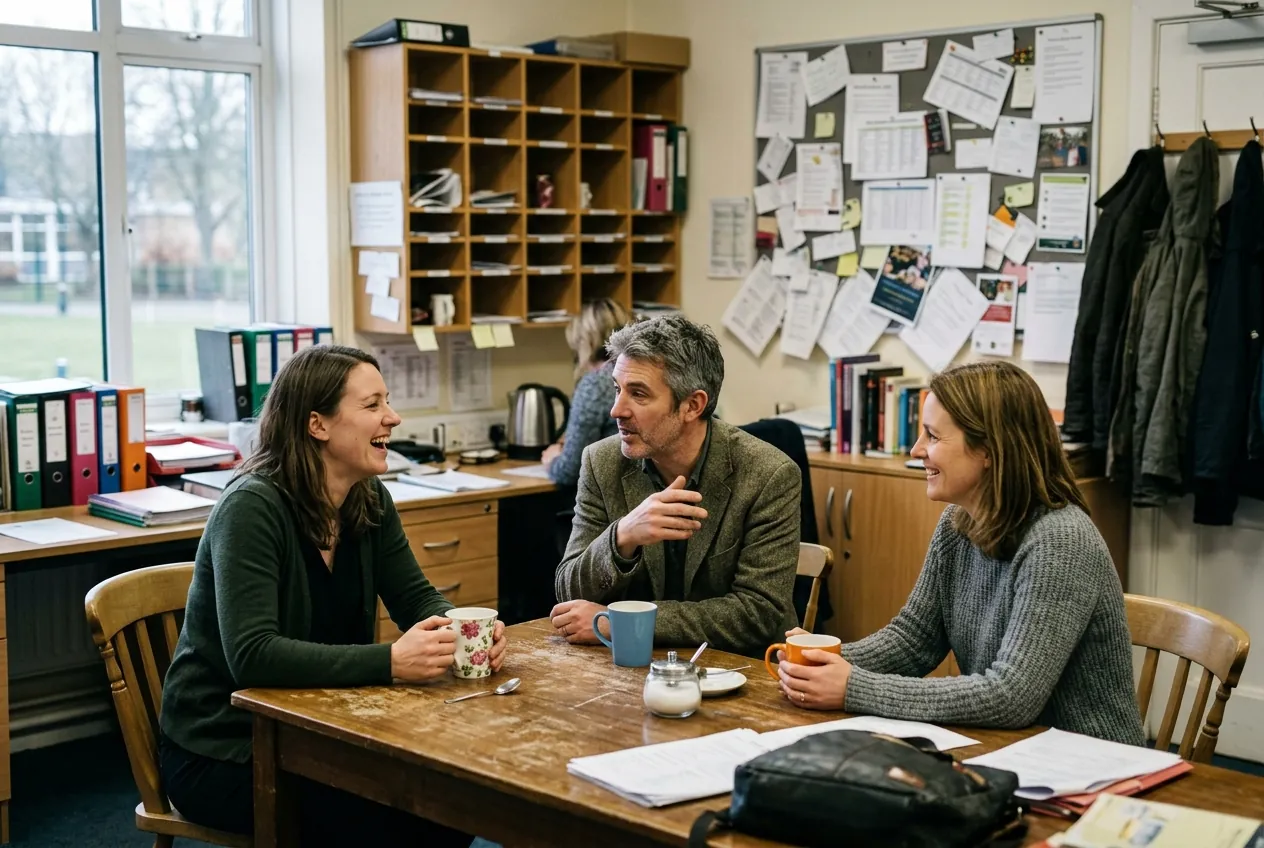
Safeguarding and whistleblowing are not the same process
Both matter. They are not the same thing, and one inbox for both causes trouble. A safeguarding concern is about a child at risk. A staff report is about how the school itself behaves.
- A pupil or student is at risk of harm
- Goes to the designated safeguarding lead
- The person raising it is usually known
- Acted on straight away
- The organisation itself is doing something wrong
- Goes to the case handlers you appoint
- The person raising it can stay anonymous
- Under EU rules, receipt confirmed in 7 days and feedback given in 3 months
What school and university staff report
A staff channel fills a gap that safeguarding was never built for. These themes are typical in schools.
Exam and coursework malpractice
Procurement concerns, from how tenders are run to supplier relationships
Bullying, harassment or discrimination between staff
Records that do not add up, from attendance to funding returns
Health and safety on site, on trips and in labs
Data protection failures involving pupil or student records
These are yours to set. WeMoral ships with twelve default categories, and you can rename, remove or replace any of them before you publish the page.
Staff is where the EU duty starts for private schools
To confirm receipt of a report, under EU rules
To put your reporting page live
Built for the way a school is staffed
Caretakers, catering and cleaning teams, coach drivers and visiting music teachers are protected too, in the EU and many other countries. They get the same link as teachers, and none of them needs a school email address.
Every school can have its own branded page. Reports arrive in one panel, filtered by school, category or handler, and role permissions decide who may open each case.
Every read and every write is logged, while the reporter stays anonymous. When your board or an inspector asks how a concern was handled, the timeline is already there.
Three decisions a school makes before going live
If a report concerns the head, it cannot land on their desk. Name a second route, for example the chair of your board, and write that rule down before you publish.
Many schools approve the policy at a board meeting and publish it next to the safeguarding policy. Time your launch to that meeting, and set the review date there too.
A staff training day beats a circular. Show people the form. Say plainly that anonymous reports get read. Put a QR code in the staff room and the office, so support staff see it too.
Frequently asked questions
Does a school have to offer a reporting channel?
In the EU, public schools are usually covered at any size, and private ones from 50 workers. The duty comes from your national whistleblowing law, based on the EU Whistleblower Directive (2019/1937). Elsewhere, check your local law.
Can pupils and students use it too?
That is your call. The channel is open to anyone you give the link to. Many schools keep pupil safeguarding where it is, and use WeMoral for staff, contractors and suppliers.
Can a teacher report without giving a name?
Yes. Anonymous reporting is the default. No IP address is recorded, and uploaded files have their metadata stripped. The reporter gets a private access code to read replies, with no account or email address needed.
What does it cost a school?
PRO is €79 a month net when the year is paid up front. That covers unlimited reports, up to five panel users and the case-management panel. There is a 30-day free trial and no installation charge.