Whistleblowing hotline for healthcare and social care
A whistleblowing hotline for healthcare and social care gives every worker a safe way to raise a concern. Hospitals, care homes and social care teams already log patient safety events. Fewer have a private route for concerns about staffing, conduct, or how the provider itself behaves. That is the gap this fills.
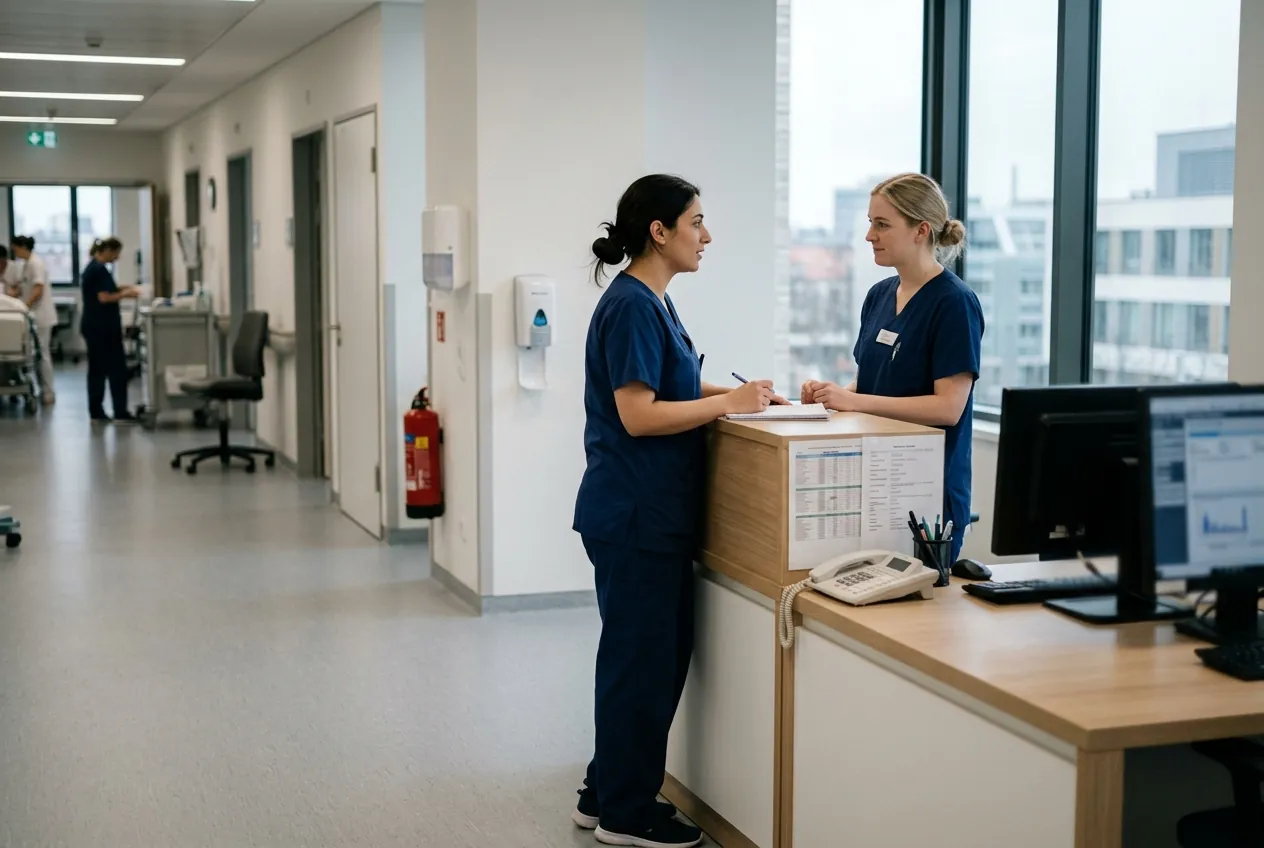
What healthcare and social care staff report

A speak-up channel covers ground a safety incident form does not. These themes are typical in hospitals and care homes.
Staffing levels that put safe care at risk
Care standards and the dignity of patients or residents
Medication handling and record-keeping
Safeguarding of vulnerable adults and children
Infection prevention and control
Fraud in claims, rotas or supplier contracts
These are yours to set. WeMoral ships with twelve default categories. Rename, remove or replace any of them before the page goes live.
Languages on the form, for when your staff don't all share one
IP addresses recorded, so a report can't be traced to a device
To give the reporter feedback, under EU rules
Reporting when staff have no work email and no fixed desk
Healthcare rarely runs on office logins. Agency and temporary staff move between sites, night shifts end after the office has shut, and many healthcare workers have no work email or desk. The channel has to reach them on the phone in their pocket.
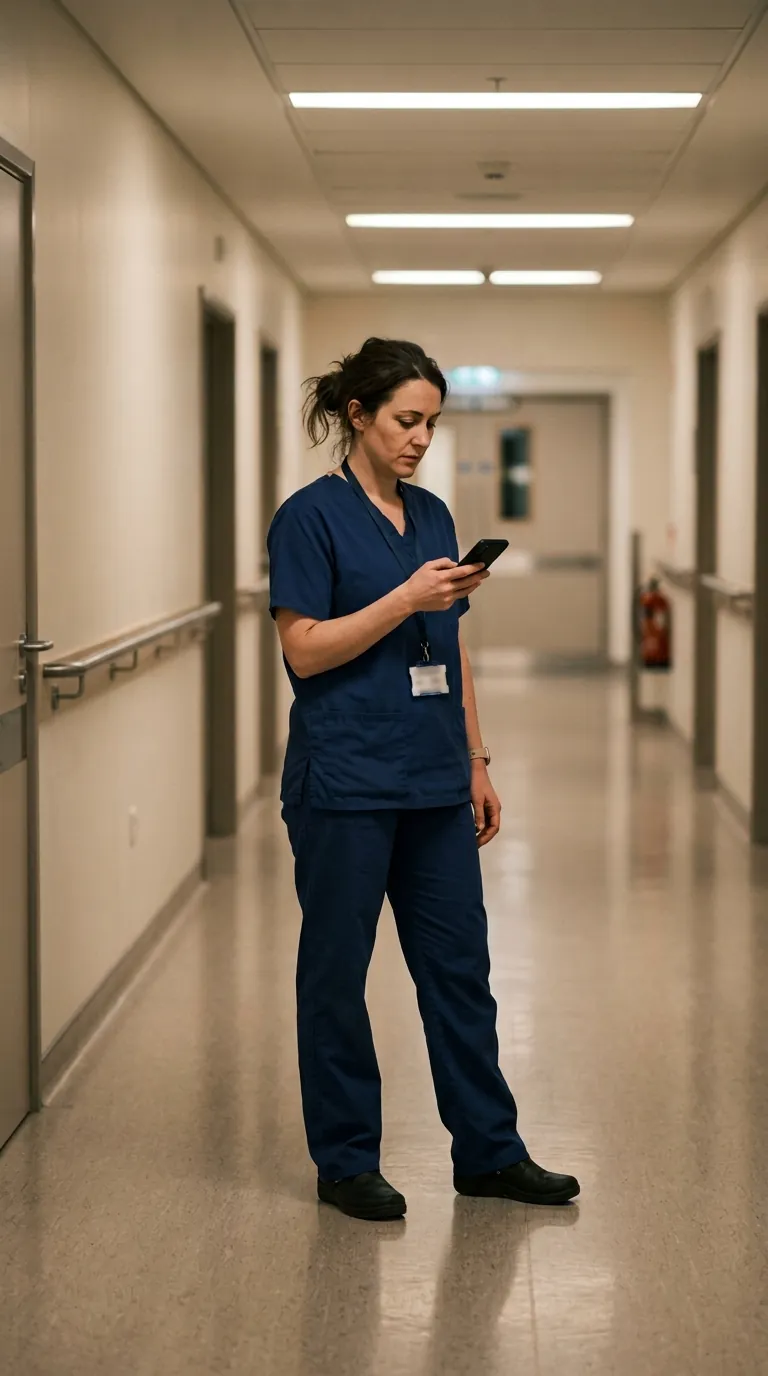
Three things a care provider settles before going live
None of this is technical work. These are three calls a provider makes once, writes down, and reviews each year.
Incident reporting logs what happened to a patient, while a speak-up channel is for how the provider behaves. Keep the two routes apart, or a serious concern can get lost among clinical incident reports.
A report may name a senior doctor, a home manager or a director, and it cannot land on the desk of the person it names. Pick a second handler before you publish, often a board member.
Email misses agency carers and night teams. Put the QR code on posters by the time clock and the ward door. Brief people at a handover, not in a circular. Say out loud that a report with no name still gets answered.
Frequently asked questions
Does a healthcare or care provider have to offer a reporting channel?
In the EU, the duty comes from your national whistleblowing law, based on the EU Whistleblower Directive (2019/1937). In most EU countries it applies once an employer has 50 or more workers, and many care providers pass that line once every site is counted. Elsewhere, check your local law.
Is this the same as our clinical incident reporting?
No. Incident reporting records what happened to a patient. A whistleblowing channel is for concerns about conduct, staffing or wrongdoing. That includes concerns about the provider itself. Most run both, and keep them apart.
Can an agency or temporary worker report without giving a name?
Yes. The form asks for no name and no email, and it logs no IP address. Hidden data is stripped from every file uploaded. After sending, the worker keeps a private access code and uses it to read replies.
What does it cost a provider?
PRO costs €79 a month net, with the year paid up front. Unlimited reports, five panel users, and the full case panel are included. Try it free for 30 days. Setting it up is not billed.