The Panama Papers source vanished and its architects walked free
The Panama Papers were the biggest data leak in history. An anonymous source known only as John Doe handed 11.5 million files to reporters, showed how the world's elite hid money offshore, and was never identified. The documents held up. Yet the law firm at the heart of the scandal walked free.
Key Takeaways
- The leak ran to 11.5 million documents, the largest in history at the time.
- The source, John Doe, was never identified and stayed safe.
- John Doe took no money and asked only for whistleblower protection.
- Governments clawed back about 2 billion dollars in unpaid tax and fines.
- In 2024 a Panama court acquitted the firm's founders and 26 other people.
What were the Panama Papers?
The Panama Papers were 11.5 million leaked files from Mossack Fonseca, a law firm based in Panama. The papers came out on 3 April 2016. They showed how more than 214,000 offshore companies were used to hide wealth, dodge tax, and move dirty money for clients all over the world.
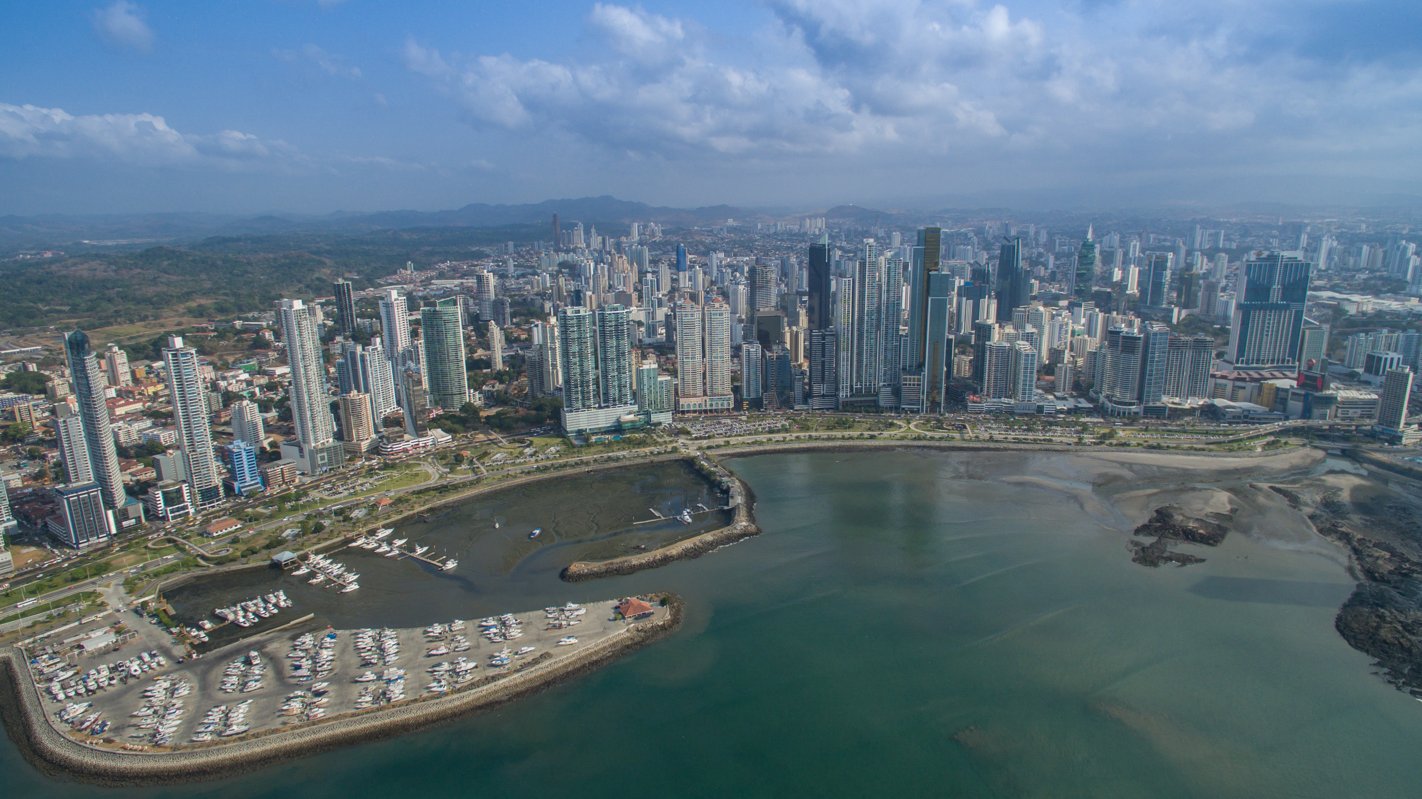
Panama City's financial district, the hub of the offshore industry the leak exposed.
© Dronepicr (CC BY 3.0)
Mossack Fonseca was not a household name, but it was huge. It was the world's fourth largest provider of offshore services, with offices in dozens of countries. Its job was to set up shell companies. A shell company is a firm that exists only on paper. It owns assets and moves money, but it does no real business and often hides who is really behind it.
 WeMoral - whistleblowing software
An anonymous, encrypted whistleblower reporting channel for your employees, suppliers and customers, with case management, the 7-day and 3-month deadlines, and audit logs. Be compliant with the whistleblowing laws that apply to you, in minutes.
Not every offshore company is a crime. People use them for estate planning and to protect assets, and that is legal. The problem is what the secrecy lets others do. The same structures can launder money, dodge sanctions, and hide income from tax authorities. The files were 2.6 terabytes of data, and they laid out both kinds of use side by side.
The numbers are hard to picture. The files covered almost 40 years of business, from the 1970s up to late 2015. The leak dwarfed what had come before. It was bigger than the United States diplomatic cables released by WikiLeaks in 2010, and bigger than the secret files Edward Snowden gave reporters in 2013. No leak that size had ever come out of a single company.
The leak went to the German newspaper Süddeutsche Zeitung, which shared it with the International Consortium of Investigative Journalists. More than 100 news outlets in about 80 countries then spent a year digging through the data before they published together.
Who broke the Panama Papers?
The story broke because of one anonymous source and a reporter who took the risk. In 2015 a person using the name John Doe messaged a journalist at Süddeutsche Zeitung, Bastian Obermayer. The first line was simple: Hello. This is John Doe. Interested in data?
The two never met. They spoke only through encrypted channels, and the source set the rules. John Doe told Obermayer that his life was in danger and would never explain who he was. The files came across bit by bit, in batches, until the haul reached 2.6 terabytes. That careful, anonymous handover is the part most accounts of the scandal skip over, and it is the part that made the whole thing possible.
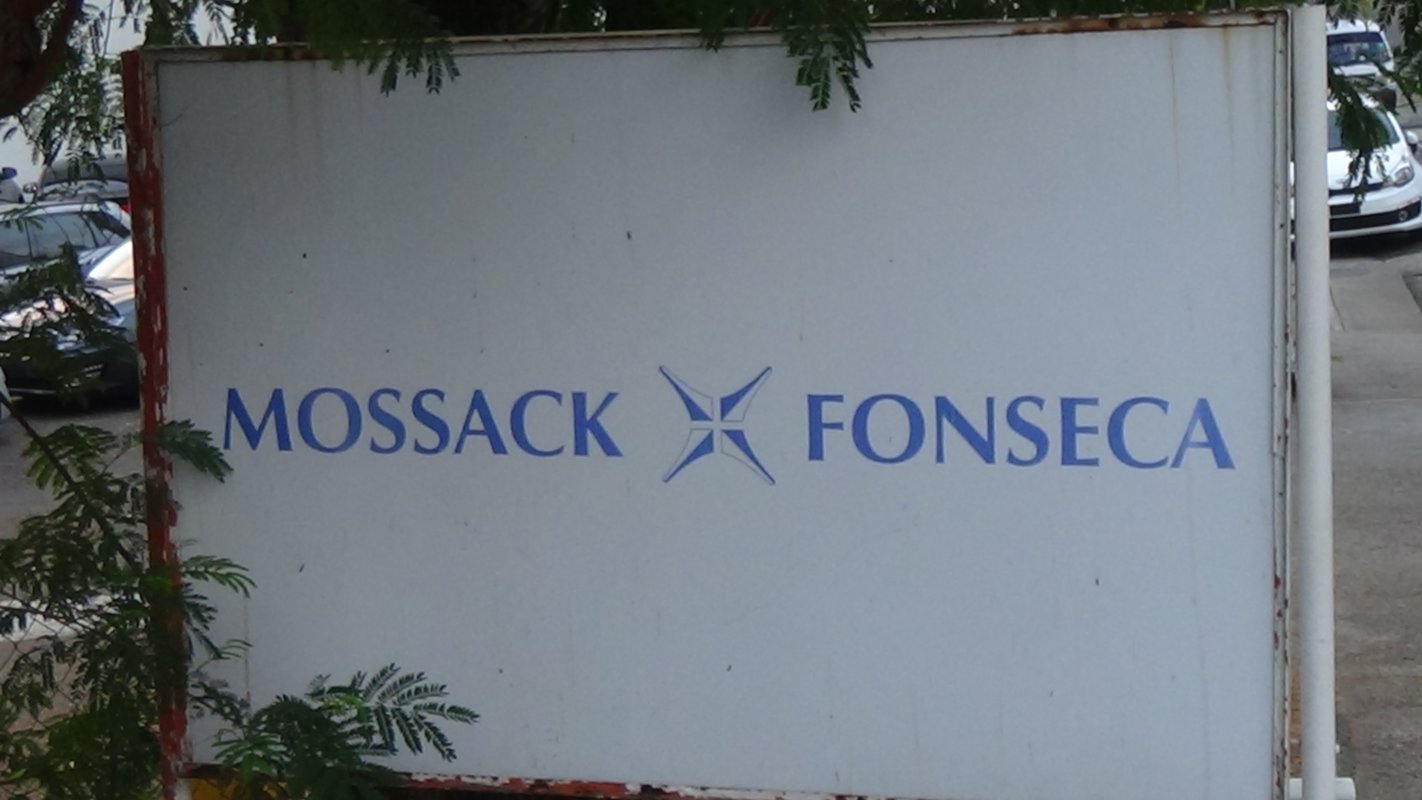
The office sign of Mossack Fonseca, the Panama law firm whose files John Doe leaked.
© Valenciano (CC BY-SA 4.0)
John Doe did not ask for money. He explained his reasons later, in a public statement, and he put the motive plainly. As he wrote, income inequality was one of the defining issues of our time, and the files showed him the scale of the harm. He chose to leak them because he thought the people behind the firm should have to answer for it.
What John Doe started, hundreds of reporters finished. The ICIJ pulled together more than 370 journalists from over 100 news outlets. For about a year they searched the files in secret, using shared tools and encrypted forums so no target would learn what was coming. They agreed to publish on the same day, so no single reporter carried the risk alone. It was one of the largest team efforts journalism had ever seen.
Why did the source stay anonymous?
The source stayed anonymous because anonymity was his only shield. He had no legal protection and no powerful backer. He believed that if his name came out he could be jailed or killed. So he kept his identity hidden, and it worked: he was never unmasked, and he stayed safe.
In May 2016 he went further and published a manifesto called The Revolution Will Be Digitized. It was a 1,800 word case for why he leaked, and it turned into a demand. He argued that people who expose clear wrongdoing should not be treated as criminals.
"Legitimate whistleblowers who expose unquestionable wrongdoing deserve immunity from government retribution, full stop."
John Doe, The Revolution Will Be Digitized, May 2016
The fear was not for show. Years later, in his first interview, the source said he believed the Russian government wanted him dead. He still did not give his name. The anonymity that protected him in 2016 is the same thing protecting him now, which tells you how much a safe channel can matter when the person speaking up has everything to lose. Banks and law firms meet a smaller version of this every week. In a whistleblower reporting channel for financial services a report can arrive with no name on it, and a reply can still find its way back. The opposite case makes the same point. When an EU body hunted the anonymous source behind corruption complaints, it showed what happens without that shield.
Whose names were exposed?
The files named a stunning roll call of the powerful. Reporters found 12 sitting heads of state and more than 140 politicians and public officials linked to offshore companies. The names came from every region and every walk of life: heads of state, sports stars, business tycoons, and convicted criminals. Some used the companies legally. Others had a lot to explain.
- Sigmundur Davíð Gunnlaugsson, the prime minister of Iceland, who resigned within days after huge street protests.
- People in the inner circle of Russian president Vladimir Putin, tied to a money trail worth about 2 billion dollars.
- Nawaz Sharif, the prime minister of Pakistan, later removed from office over hidden wealth.
- Presidents and leaders including Petro Poroshenko of Ukraine and Mauricio Macri of Argentina.
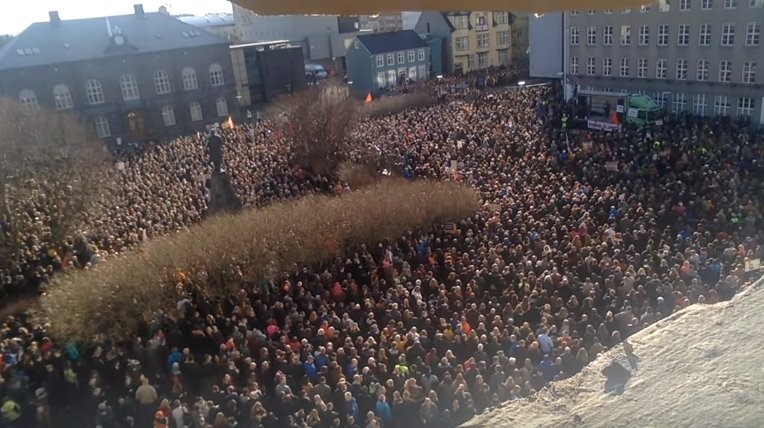
Thousands protest outside Iceland's parliament on 4 April 2016, days before the prime minister resigned.
© Thorgnyrthoroddsen (CC BY-SA 3.0)
The fallout was real, but uneven. Iceland's leader was gone in a week. Pakistan's prime minister lost his job. Many others named in the files faced questions, paid back taxes, or simply rode it out. The scandal proved who was involved. It did not, on its own, decide what happened to them.
What the leak changed
The leak did change the rules in real ways. Dozens of countries opened tax probes. Many built public registers that record who really owns a company, so a name can no longer hide behind a shell. Governments recovered around 2 billion dollars in unpaid tax and penalties in the years after, according to Transparency International. Here is where the scandal landed.
| What happened | Result |
|---|---|
| Money recovered | About 2 billion dollars in back tax and fines worldwide |
| Ownership registers | The EU, Nigeria, Indonesia and the US now require them |
| Mossack Fonseca | The firm shut down in 2018 |
| The founders | Acquitted of money laundering in 2024 |
| Offshore secrecy | Still legal and still widely used |
The reforms came in waves. The European Union passed new anti money laundering rules and pushed members to open their ownership registers to the public. It later scrapped the golden passport schemes that let rich foreigners buy citizenship. The United States passed its own Corporate Transparency Act in 2021. But the money came back unevenly. The United Kingdom, Sweden and France each recovered around 200 to 250 million dollars, while many countries collected almost nothing.
The reforms matter, but the core machine survived. The shell company is still a normal product, sold every day. The proof came soon enough. Newer leaks, like the Pandora Papers, showed the same offshore playbook still running, with new firms taking Mossack Fonseca's place. The leak made the hidden world visible. It did not shut it down. It also reached the screen: the story inspired the 2019 film The Laundromat, with Meryl Streep, and the two reporters who broke it told the full story in their book The Panama Papers.
Did anyone go to jail?
For the firm at the center, no. On 28 June 2024 a Panama court acquitted Jürgen Mossack and 27 other defendants of money laundering. Co-founder Ramón Fonseca had died the month before, in May 2024. After eight years of investigation, the criminal case against the people who built the firm ended in a clean sweep of acquittals.
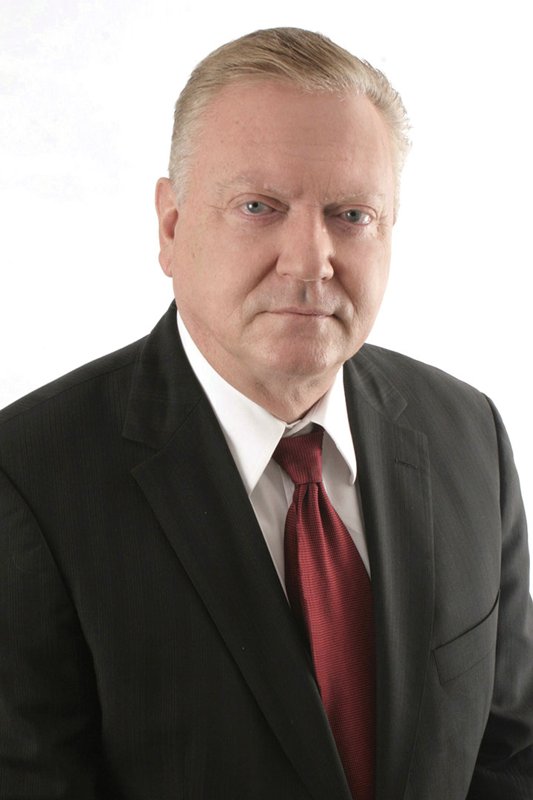
Jürgen Mossack, co-founder of Mossack Fonseca, was acquitted of money laundering in 2024.
© Jandrade97 (CC BY-SA 4.0)
The reason was not that the men were cleared of wrongdoing. The judge, Baloisa Marquínez, ruled that evidence pulled from the firm's servers had not been gathered the right way, which cast doubt on its "authenticity and integrity." She found that the rest fell short too.
"The rest of the evidence was not sufficient and conclusive to determine the criminal responsibility of the defendants."
Judge Baloisa Marquínez, Panama, June 2024
The trial itself was vast. The court folded the Panama Papers case together with Lava Jato, a sprawling corruption scandal in Brazil, into one proceeding. Prosecutors said the firm had helped hide money tied to bribery in Brazil and to a fraud in Argentina. More than 300,000 pages were filed. The prosecution had asked for 12 year prison terms for Mossack and Fonseca. In the end the court handed down none.
Prosecutors appealed the ruling, so the legal fight is not fully over. But the headline stands. The largest financial leak ever produced no conviction for the firm that sat at its heart. A few people elsewhere paid a price, yet the architects of the system walked out of court free.
That is the strange shape of the Panama Papers. The documents were genuine. The source picked his moment, protected himself, and got the truth into the open without ever being caught. The part that worked was the safe, anonymous channel that let one frightened person hand the world its biggest secret. What failed came after: the courts, the prosecutions, the promise that exposure would bring accountability. None of that makes speaking up pointless. It just shows that surfacing the truth and acting on it are two different jobs, and only the first one depends on giving people a way to come forward without fear. A secure reporting channel is built to do that first job well, because John Doe's case shows it is the part most likely to actually work.
Researcher and data analyst in whistleblowing. Tells the stories of famous whistleblowers and the history behind their fight for accountability.