
Mark MacGann the whistleblower who leaked the Uber Files
Mark MacGann used to be a lobbyist for Uber. Now, he's known as the whistleblower who leaked the "Uber Files." He spent over two years running Uber's lobbying efforts across Europe and the Middle East. In 2022, MacGann gave The Guardian more than 124,000 internal files. He spoke out because he believed Uber broke laws on purpose in many countries. He also said the firm lied to the public about how its "gig-economy" model worked for drivers. The leaked files, known as the Uber Files, raised big questions about the ride-hailing giant. Some alleged that managers tried to bribe top politicians to get the rules they wanted.
Key Takeaways
- Mark MacGann, a former Uber lobbyist, leaked over 124,000 files in 2022.
- The "Uber Files" showed how the firm broke laws and used "kill switches" to hide data.
- The leaks revealed close ties between Uber and top leaders like Emmanuel Macron.
- These revelations helped push for the EU's new Platform Work Directive in 2024.
- Uber claims it has changed, but it still faces huge fines for data privacy breaches.
The leaked files showed how bosses tried to change laws in markets all over the world. This included France, the Netherlands, and Russia. The Uber Files revealed the firm's global lobbying. It involved world figures like Joe Biden, Emmanuel Macron, and Benjamin Netanyahu.
I'm exposing a system that sold people a lie.
Mark MacGann
Bribes, kill switches, and a quiet expansion
MacGann admitted he played a part in these acts and said he was sorry. His leaks showed how Uber pushed governments to change taxi rules. He took the blame for the rules he helped create. He said he once painted a "rosy picture" for drivers that wasn't true. He especially regretted using drivers as weapons. Documents show Uber told drivers to protest or strike, which put them in danger.
 WeMoral - whistleblowing software
An anonymous, encrypted whistleblower reporting channel for your employees, suppliers and customers, with case management, the 7-day and 3-month deadlines, and audit logs. Be compliant with the whistleblowing laws that apply to you, in minutes.
When Uber entered a new country, MacGann helped them navigate the local laws. In Russia, he tried to launch the service and paid a bank official $300,000 to lobby for the firm. Uber often opened new markets by ignoring the law and tricking the police. They also used secret lobbying and avoided taxes. They hired drivers on contracts that didn't even include insurance.
MacGann said the plan was clear from the start: run the business without permission, even if it was against the law. Uber's rule was to launch first and ask later. They hoped people would love the app so much that the law wouldn't matter. This led to many fights with traditional taxi firms. In some places, taxi drivers attacked Uber cars and staff. Uber also used a "kill switch." This was a tool used to lock police out of their computers during raids. This tactic only became public years later.
I think it's worth it. Violence guarantees success.
Travis Kalanick, in reference to participation of Uber drivers in violent protests in France
Macron's privileged channel
The Uber Files cover the years 2014 to 2016. At that time, Emmanuel Macron was the French economy minister. The files show he helped Uber a lot. He had over 50 calls, emails, and meetings with Uber bosses. The files suggest he tried to change French law to help the firm. Uber managers even asked him for help with their taxes.
A big conflict happened in 2016 during a taxi strike in Paris. Uber wanted to launch "UberPop." This service let anyone use their own car to give rides. In France, this was seen as an illegal service. Regular taxi drivers had to train for 300 hours. They also had to buy a license that could cost €250,000. Uber's shortcuts caused violent "taxi wars." Uber finally stopped UberPop. In return, Macron cut the training time needed for a driver's license.
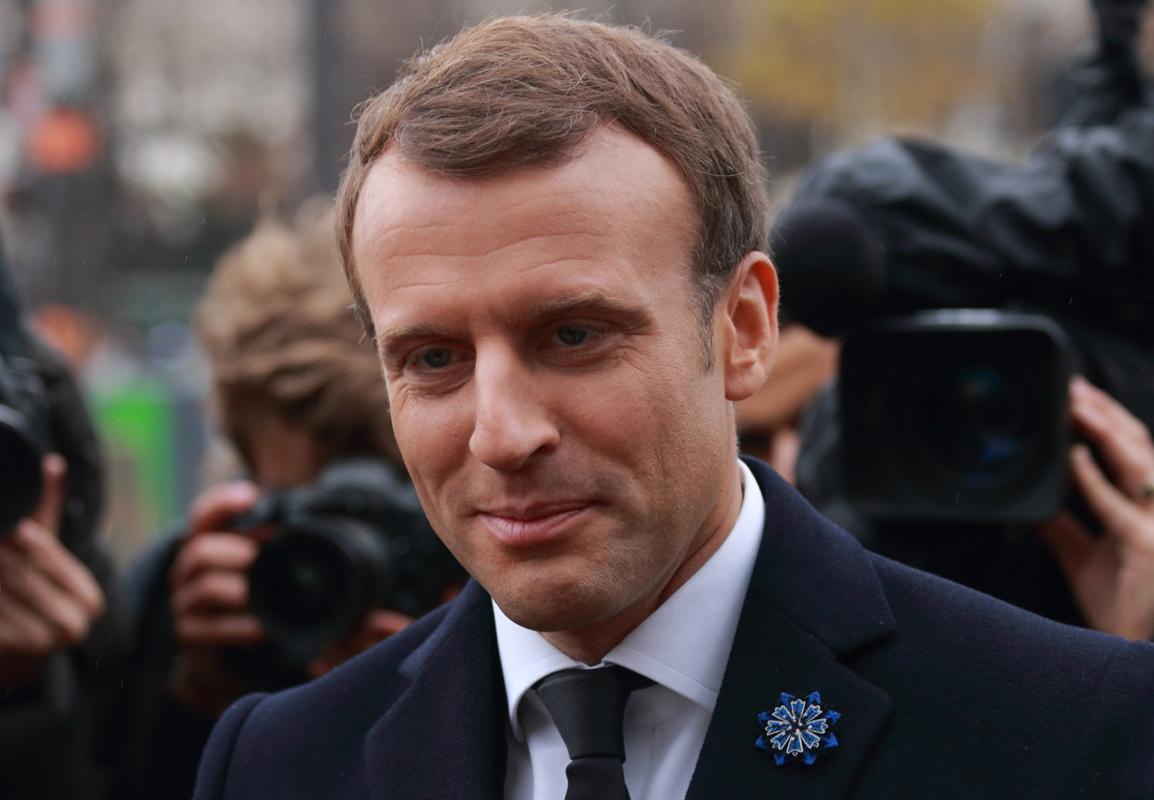
Emmanuel Macron in November 2017
©Rémi Jouan (CC BY 4.0)
A French inquiry shared its findings on 18 July 2023. The report was 500 pages long and included 120 testimonies. It described Macron's link with Uber as "privileged." It found 34 exchanges between Uber and the President's office. It even showed messages where Macron invited an Uber boss to dinner. The report didn't find that Macron broke the law or gained money. However, his own party refused to vote on it.
A useful fight in the Netherlands
Leaked files showed that Uber was close to tax officials in the Netherlands. This is where Uber has its main hub. Messages suggest that Dutch officials slowed down a tax audit of Uber in 2015. They were accused of breaking EU law and hiding the truth.
It seemed like the Dutch helped Uber avoid millions in taxes. The tax office denied this and said they treated everyone fairly. Uber claimed it was a "digital platform," not a taxi firm. This helped them avoid certain costs. Dutch officials gave Uber time to get its files in order. Finally, Uber agreed to share driver data to keep the focus off their own taxes.
Years later, Uber faced a big fine in the Netherlands. On 22 July 2024, they were fined €290 million. This was for sending driver data to the US without proper safety rules. This data included licenses, location history, and even medical records. The case started after 170 French drivers complained. It is one of the largest fines ever under the GDPR rules.
How MacGann became the source
MacGann didn't speak up right after he left Uber in 2016. He spent the pandemic years thinking about what he knew. He thought about the drivers and how Uber took more of their money while they earned less.
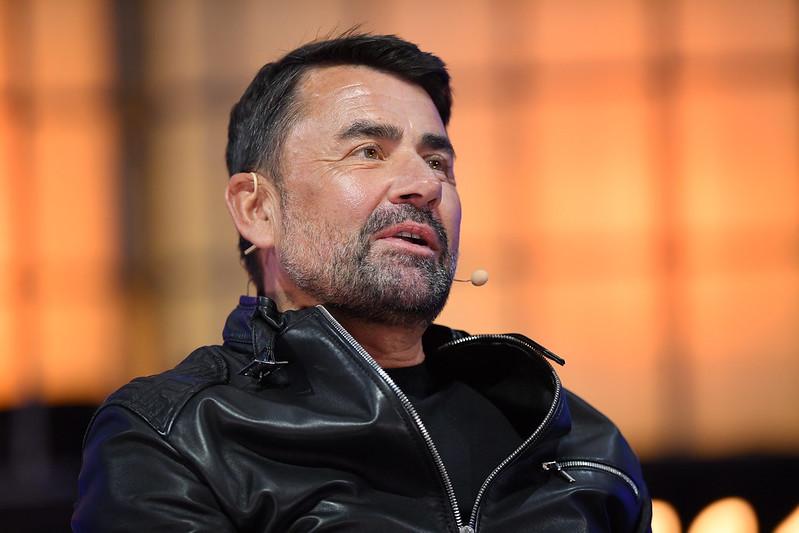
Mark MacGann - Web Summit 2022
November 2, 2022 in Lisbon, Portugal
©Ramsey Cardy/Web Summit via Sportsfile (CC BY 2.0)
He was inspired by Frances Haugen, who leaked files from Facebook. He also watched Tyler Shultz and Erika Cheung expose Theranos. This helped him see that leaking files wasn't a betrayal, it was the right thing to do. All three worked at fast-growing technology firms. None of them trusted the routes inside, so all three went outside. Whistleblower software for technology companies is meant to make the first step an internal one.
There is no excuse for how the company played with people's lives. I am disgusted and ashamed that I was a party to the trivialization of such violence.
Mark MacGann
Even after he left, his life was in danger. Uber even gave him bodyguards. In 2017, taxi drivers attacked him in Brussels. He says the stress from his time at Uber led to a PTSD diagnosis. In an interview, he spoke about the price he paid. Uber's lawyers threatened to fine him €30,000 a day for leaking files. This would have cost him millions. The threat is still there, but big news outlets have warned Uber not to sue him.
Uber's cultural-reset defence
In May 2023, Uber's CEO Dara Khosrowshahi spoke to French officials. He said he wasn't there to defend the past. He claimed that Uber is a totally different firm today. He noted that 90% of current staff joined after 2017. He argued that the firm now works with others instead of fighting them.
One official, Danielle Simonnet, didn't agree. She said Uber uses the word "flexibility" to avoid giving drivers real rights. When asked about new EU rules, the CEO said drivers want freedom above all else. He even asked if the people writing the rules had actually talked to any drivers.
That year, an EU probe into Neelie Kroes ended. She was accused of secret lobbying for Uber. She was cleared of any crime, but the report said Uber made it hard to find the truth. Critics say this proves the EU's rules on conflicts of interest are weak.
What the Files actually changed
The biggest change happened in the EU. A new law called the Platform Work Directive was passed in 2024. It started on 1 December 2024. It says that many app workers should be seen as employees. It also forces firms to be open about how their apps manage staff. EU states now have two years to make this a national law. The Uber Files helped make this happen faster.
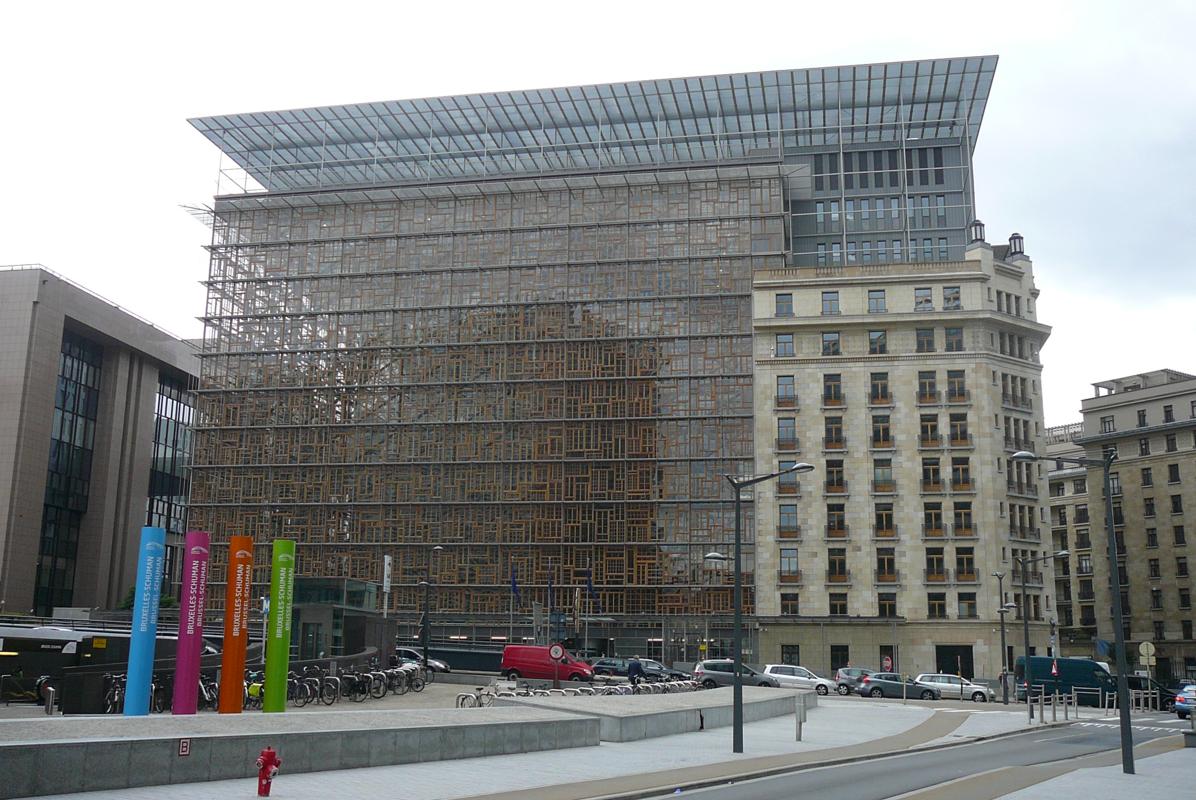
Europa building, Brussels, seat of the European Council and the Council of the EU
©Guy Delsaut (CC BY-SA 4.0)
MacGann is still active. He is now a fellow at Harvard. He works on rules for the "gig economy." He also helped start a non-profit to support other whistleblowers. In late 2024, he urged voters in the US to give drivers the right to form unions. He now argues that workers need real protection. He says firms often tell different stories to different people.
Uber still defends its past. They claim that 2017 was a "clean break." They say the Uber Files only describe the old version of the firm. MacGann sued for a €550,000 bonus and got most of it. The threat to sue him for leaking is still there, but nothing has happened yet. The Uber Files case is special. It led to new laws and deep probes. It shows that even a rich firm can't stop the truth from coming out when a whistleblower speaks up.
Internal auditor and health and safety specialist. Writes on whistleblowing's business value, major leaks, and the case for dedicated reporting tools.