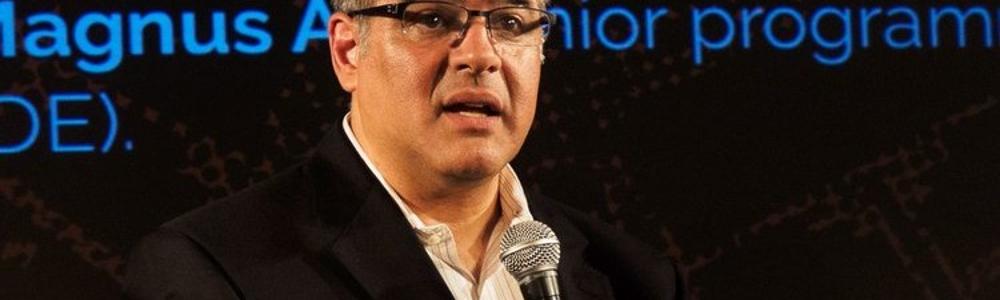
John Kiriakou went to prison for exposing CIA waterboarding
John Kiriakou spent 14 years at the CIA. In December 2007 he told ABC News something no CIA officer had said in public. The agency waterboarded prisoners, and that was torture. He never went to prison for the torture. He went to prison for naming a colleague who took part in it.
Key Takeaways
- John Kiriakou was the first CIA officer to confirm in public that the agency waterboarded prisoners.
- He called waterboarding torture on national television in 2007.
- Kiriakou went to prison, while the people who ran the torture program were never charged.
- He served 30 months for telling a reporter the name of a covert officer.
- His case shows how the Espionage Act can punish whistleblowers, not just spies.
Who is John Kiriakou?
John Kiriakou is a former CIA officer who worked for the agency from 1990 to 2004. He started as an analyst. After the September 11 attacks, he ran counterterrorism operations in Pakistan. In March 2002 he led the team that caught the al-Qaeda suspect Abu Zubaydah. It was one of the first big captures of the war on terror.
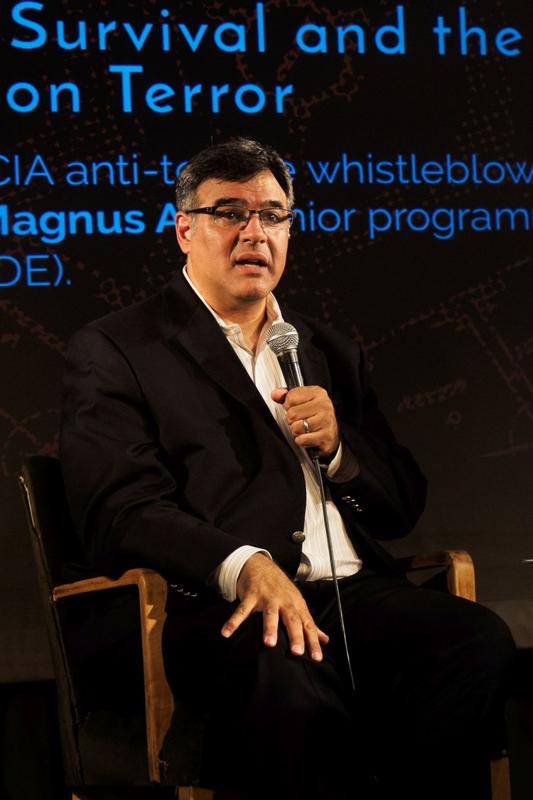
John Kiriakou, the CIA officer who exposed the agency's waterboarding program.
© Thomas Schmidt (CC BY-SA 4.0)
Kiriakou was good at the job. He won ten Exceptional Performance Awards during his career. He also earned the Counterterrorism Service Medal. At one point the CIA offered to train him in what it called enhanced interrogation techniques. He turned the offer down. He later said he had a bad feeling about where it would lead.
 WeMoral - whistleblowing software
An anonymous, encrypted whistleblower reporting channel for your employees, suppliers and customers, with case management, the 7-day and 3-month deadlines, and audit logs. Be compliant with the whistleblowing laws that apply to you, in minutes.
He left the agency in 2004. He then worked for a time as a senior investigator for the Senate Foreign Relations Committee. By 2007 he was out of government and writing a memoir, "The Reluctant Spy". That is when a single television interview changed the rest of his life.
What did Kiriakou reveal about waterboarding?
In December 2007, Kiriakou sat down with ABC News reporter Brian Ross. He became the first former CIA officer to confirm in public that the agency waterboarded detainees. He also called the practice torture. Until then, the US government had never admitted that it used the method at all.
At the time, Kiriakou said the technique had worked. He believed it broke Abu Zubaydah in under a minute. He was wrong, and he later said so. The CIA had in fact waterboarded Abu Zubaydah 83 times. The torture produced no useful intelligence. Kiriakou said he had been fed a story and had passed it on in good faith.
An official record later backed him up. In 2014 the Senate Intelligence Committee released a long report on CIA interrogation. It found the harsh methods had been brutal and far less useful than the agency had claimed. By then Kiriakou had already gone to prison for saying much the same thing first.
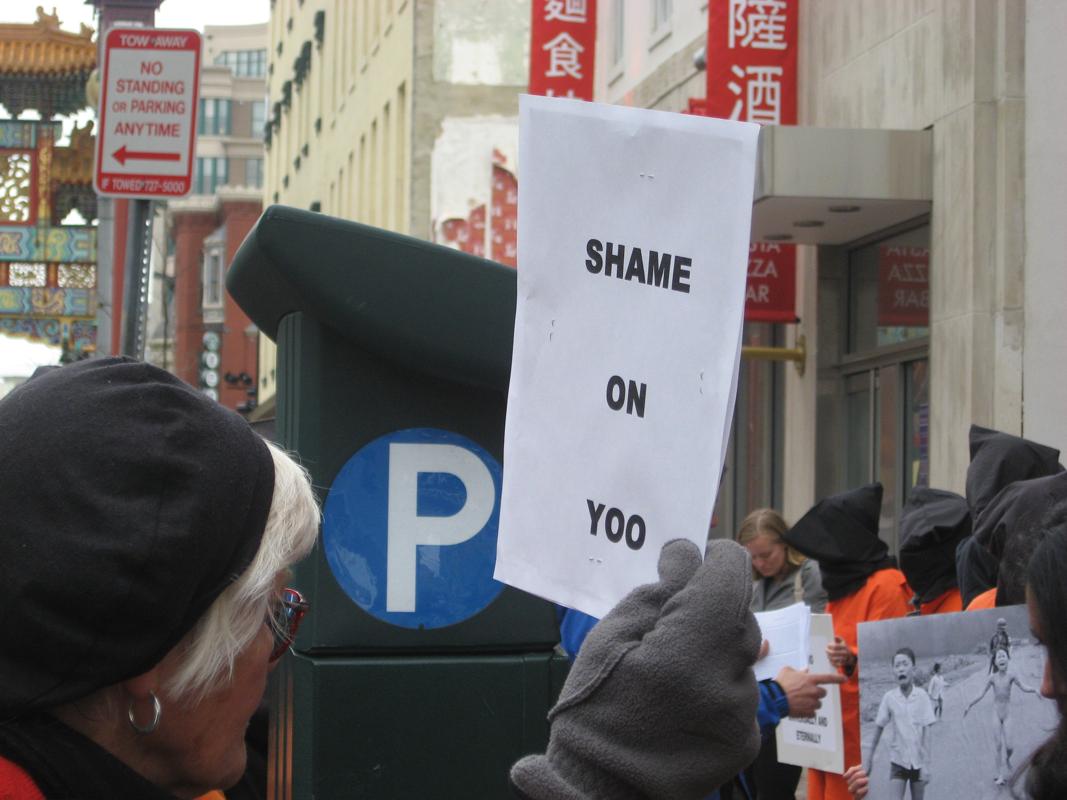
Witness Against Torture activists protest John Yoo, who wrote the legal memos that approved waterboarding. Washington, DC, 2010.
© mike.benedetti (CC BY 2.0)
His central point still held up. The waterboarding was not the work of a few rogue agents. It was official policy. It had been approved at the highest levels of the government. That single claim turned a private program into a public scandal. It also put a target on his back.
Why was he prosecuted under the Espionage Act?
The government started investigating Kiriakou soon after the interview. It took five years to build a case. In January 2012 agents arrested him. In April 2012 a grand jury indicted him on five counts. Three of them fell under the Espionage Act, a 1917 law written to catch spies who help foreign enemies.
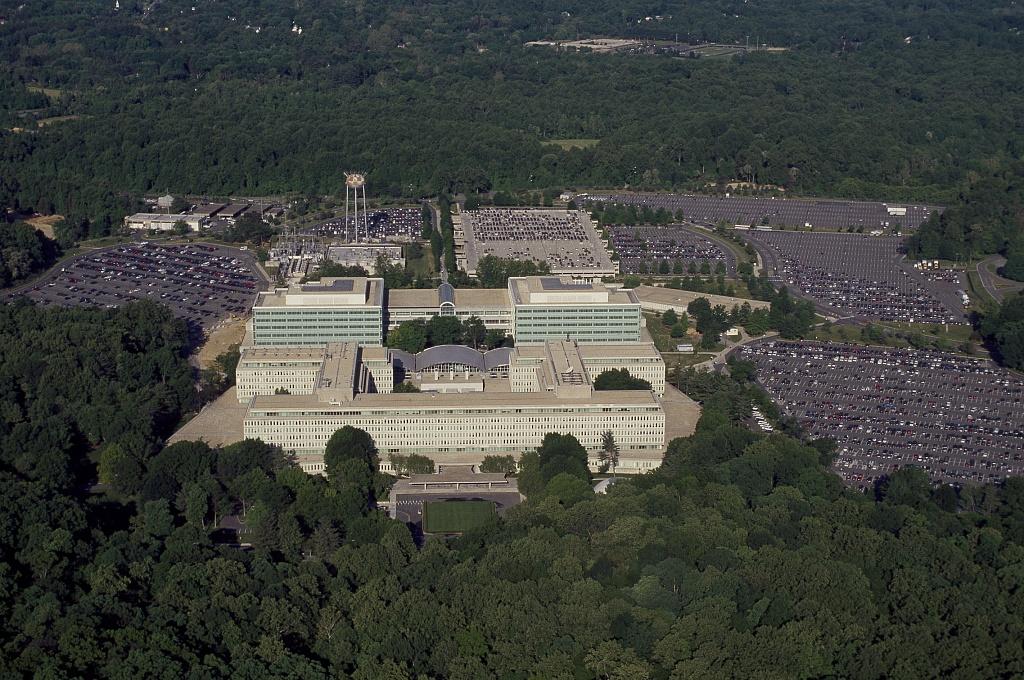
CIA headquarters in Langley, Virginia.
Carol M. Highsmith, Library of Congress (public domain)
The core of the case was small. Kiriakou had given a journalist the name of a covert CIA officer who had taken part in the rendition program. The name never appeared in print. It did reach defense investigators working for Guantanamo detainees, which the government said crossed a line. No agent was harmed. Yet the disclosure was enough to charge him. He became the sixth person charged under the Espionage Act by the Obama administration, which used the law against leakers more than every prior administration combined. A year later the same prosecutors charged Edward Snowden, whose NSA leaks made him the most famous name on that list.
The sharpest part of the story is who was not charged. The interrogators who waterboarded prisoners walked free. So did the officials who designed the program, and the senior figures who signed off on it. The one person sent to prison was the man who told the public it was happening.
| Role in the torture program | What they did | Legal outcome |
|---|---|---|
| John Kiriakou | Confirmed the program and named a colleague to a reporter | 30 months in prison |
| CIA interrogators | Carried out the waterboarding | No charges |
| Program architects | Designed the interrogation methods | No charges |
| Senior officials | Approved the program | No charges |
What did he plead guilty to?
In October 2012, Kiriakou took a plea deal. He pleaded guilty to a single count. It was a breach of the Intelligence Identities Protection Act, for confirming the covert officer's name to a reporter. The other four charges were dropped. The deal also spared the journalists from having to testify in open court.
On 25 January 2013, Judge Leonie Brinkema sentenced him to 30 months. She made clear she thought the deal was soft. She told the court the term was "way too light" and said she would have handed down more if the plea had not tied her hands.
He reported to the low-security federal prison at Loretto, Pennsylvania, on 28 February 2013. He served about 23 months. He was released in 2015 to finish his term in home confinement. Here is the case in order:
- 2002 - Leads the CIA team that captures Abu Zubaydah in Pakistan.
- December 2007 - Tells ABC News the CIA waterboarded prisoners and calls it torture.
- January 2012 - Arrested and charged.
- April 2012 - A grand jury indicts him on five counts.
- October 2012 - Pleads guilty to one count.
- January 2013 - Sentenced to 30 months in prison.
- February 2013 - Begins his term at the federal prison in Loretto.
- 2015 - Released to home confinement after about 23 months.
Life after prison
Kiriakou did not go quiet after prison. He turned into an author, a columnist, and a podcast host. He has written several books about the CIA and his own case. He now speaks and writes about torture, surveillance, and the way the state treats people who expose it.
His podcast, "John Kiriakou's Dead Drop", digs into the world of spies and intelligence. He has become a fixture on the whistleblower circuit, often sharing a stage with the people he once read about in classified files. In 2025, Trinity College Dublin gave him the Gold Medal of its College Historical Society. The award honors people who have shaped public debate.
He has stayed blunt about his choice. He has said many times that he would do it again. For him the prison term was the price of telling the truth, and he has decided the truth was worth it.
A law for spies, aimed at a truth-teller
Kiriakou's case exposed a gap in US law. The Espionage Act has no public interest defense. A person charged under it cannot tell the jury why they spoke out. The motive does not matter in court, so a leak that exposes wrongdoing is judged like a leak that helps an enemy.
His prosecution was part of a wider crackdown. He was one of a record run of Espionage Act cases the Obama administration brought against people who talked to the press. Each one carried the same warning to the next official with a conscience: expose an abuse and you risk prison, even when no enemy ever sees the secret.
John Kiriakou: frequently asked questions
What did John Kiriakou expose?
He confirmed in public that the CIA waterboarded its prisoners and called the practice torture. He said it was official policy, not the work of a few agents. His 2007 ABC News interview was the first time a CIA officer admitted the program on the record.
Did John Kiriakou go to prison for torture?
No. He never took part in waterboarding, and no one was charged for the torture itself. Kiriakou went to prison for telling a reporter the name of a covert CIA officer who had worked on the program.
How long was John Kiriakou in prison?
He was sentenced to 30 months. He served about 23 months at a low-security federal prison in Loretto, Pennsylvania, from February 2013. He was released in 2015 to finish his term in home confinement.
Is John Kiriakou a whistleblower?
Whistleblower groups call him one, because he exposed government wrongdoing in the public interest. The government charged him as a leaker under the Espionage Act, a law that does not let a defendant argue public interest. That clash is the heart of his case.
What is John Kiriakou doing now?
He is an author, columnist, and podcast host. He writes and speaks about intelligence, torture, and whistleblower rights. In 2025 he received the Gold Medal of the College Historical Society at Trinity College Dublin.
Conclusion
John Kiriakou's story is a warning about how a country can punish the messenger. He did not run the torture program. He told the public it existed. For that he lost his career and his freedom, while the people who ran the program kept both.
He has said he would make the same call again. That is the part the law never weighs: he set prison against silence and chose to speak. Until the Espionage Act lets a jury hear why someone leaked, that choice stays as brutal for the next truth-teller as it was for him.
Researcher and data analyst in whistleblowing. Tells the stories of famous whistleblowers and the history behind their fight for accountability.