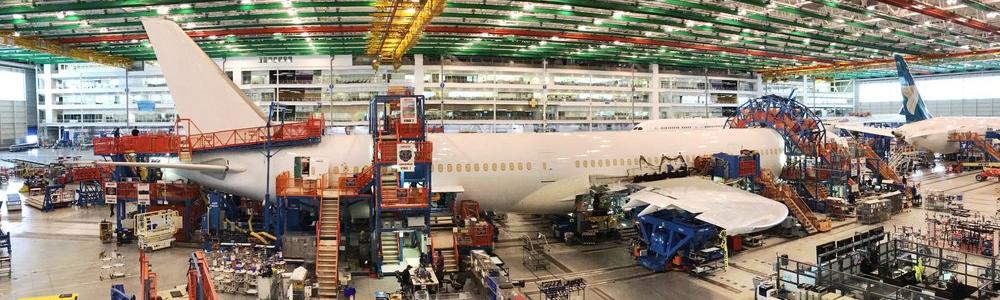
Boeing 787 whistleblower John Barnett
John Barnett spent 32 years at Boeing. Seven of those years he was a quality manager at the North Charleston plant that builds the 787 Dreamliner. He told the FAA, the press, and OSHA the 787 was being shipped with hidden defects. On 9 March 2024, mid-deposition in his retaliation case, he was found dead in his pickup truck. His family sued Boeing a year later and settled in 2025.
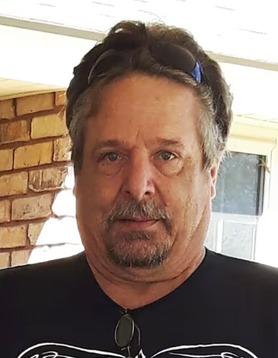
John Barnett.
OSHA's first review went Boeing's way. He died before his retaliation case reached trial. The wrongful-death suit his family then filed ended in a confidential settlement, with court papers later showing a figure of $50,000. The case is still a reference point in US whistleblower law because it shows what AIR21 will and will not do for an aviation worker in distress.
Key Takeaways
- John Barnett was a Boeing quality manager at the 787 plant in North Charleston, South Carolina.
- He flagged loose metal shavings, failing oxygen masks, and undocumented defects to managers and the FAA.
- He filed an AIR21 retaliation case with OSHA in January 2017. OSHA closed it in Boeing's favor in 2020.
- He died of a self-inflicted gunshot on 9 March 2024 during his deposition in the appeal of that case.
- His family sued Boeing for wrongful death in March 2025 and settled later that year.
32 years at Boeing, seven of them in Charleston
John Mitchell Barnett was born in Mount Shasta, California in February 1962. He joined Boeing in 1985. He spent most of his career at the company's plant in Everett, Washington. He moved into quality control there. He helped build a training program for new inspectors. He had a reputation as the kind of inspector who wrote things down.
 WeMoral - whistleblowing software
An anonymous, encrypted whistleblower reporting channel for your employees, suppliers and customers, with case management, the 7-day and 3-month deadlines, and audit logs. Be compliant with the whistleblowing laws that apply to you, in minutes.
In 2010 Boeing sent him to the new factory in North Charleston, South Carolina. That plant builds the 787 Dreamliner. It opened just as Boeing was racing to scale the 787 line. Barnett worked there as a quality manager for the next seven years. He was the last set of eyes on aircraft before they left the building. He retired in 2017. By then he was already at war with his own managers.
What Barnett told the FAA, the New York Times, and the BBC
Barnett alleged three concrete safety problems. He said the 787 was leaving the plant with stray titanium shavings near the wiring of flight-control systems. He said up to 1 in 4 emergency oxygen masks had failed bench tests. He said managers had pressured workers to skip the paperwork on defects. Each claim has a paper trail. Pressure to skip the paperwork is the part that spreads. Whistleblowing software for manufacturing and construction puts the report somewhere the line manager cannot reach, and it stays there whatever the next shift is told.
The shavings came from a fastening process for titanium e-nuts. The tiny metal slivers settled where they should not. Boeing's own review accepted the risk. In 2017 the FAA ordered Boeing to scrub the planes of these shavings before delivery. The same year an FAA report flagged at least 53 non-conforming parts missing from inventory at the plant. Boeing was ordered to fix the gap.
The oxygen-mask claim was sharper. Barnett's team tested cylinders that feed the masks. He said about one in four did not send oxygen through to the mask in a simulated emergency. Boeing has said the masks now meet spec. The FAA did not pull any 787 from service.
He took the story public in April 2019. He spoke to the New York Times for a long piece by Natalie Kitroeff. The piece said the plant valued speed over quality, the same corner-cutting later alleged in the KTM emissions scandal. It quoted Barnett saying he had not yet seen a 787 from Charleston he would put his name on. He gave the same story to the BBC. He sat down with Ralph Nader. He showed up in the 2022 Netflix film Downfall: The Case Against Boeing.
AIR21, OSHA, and the four-year wait
Barnett filed an OSHA whistleblower complaint on 16 January 2017. He filed it under AIR21, the section of the Wendell H. Ford Aviation Investment and Reform Act that shields aviation workers who report safety risks. AIR21 is run by OSHA's whistleblower program. It is the main US legal cover for an aerospace worker who flags safety problems.
The complaint listed the harms Barnett said Boeing had inflicted on him at work. Low performance scores. Being cut off from his own team. Being blocked from transferring to other Boeing divisions. Being treated, he said, with scorn and contempt by senior managers. He said all of it followed his safety reports.
OSHA took almost four years. In November 2020 OSHA wrote that it had no reasonable cause to believe Boeing had broken the Act. The agency closed the file in Boeing's favor in 2021. Barnett did not let it end there. He filed an objection. He moved the case to a federal Administrative Law Judge. His new pleadings widened the claims. His team set a trial date for June 2024. He never made it.
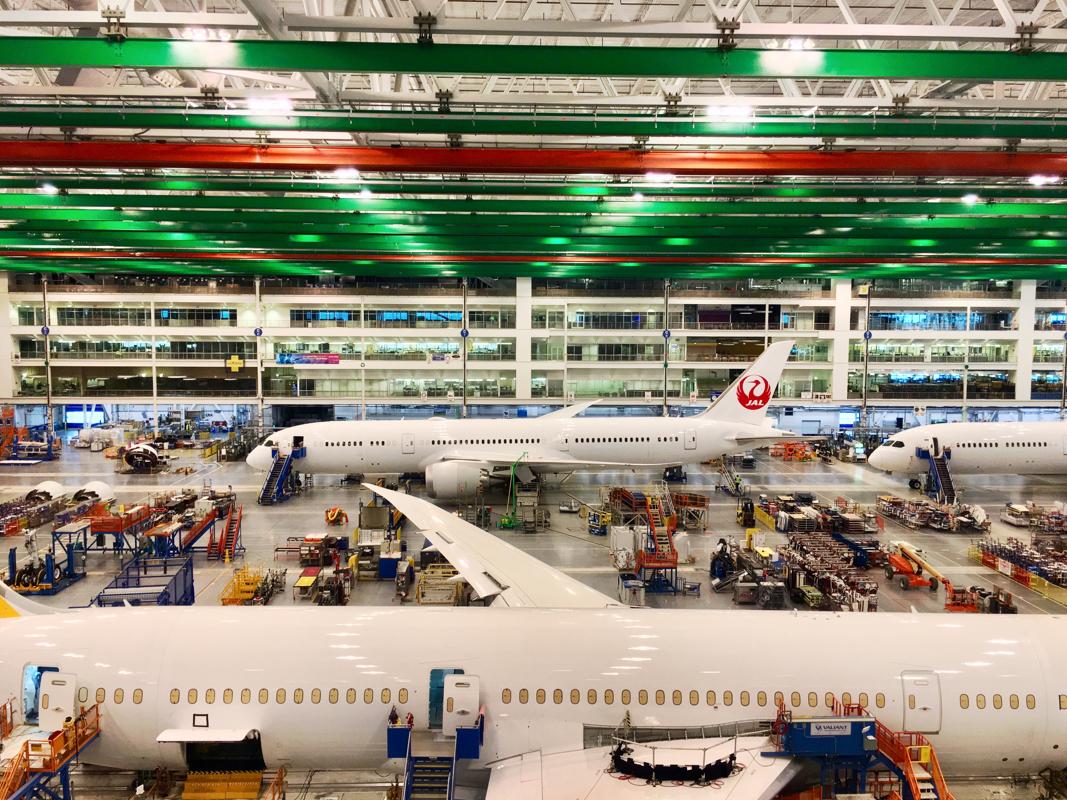
A Japan Airlines 787-9 on the final assembly line at Boeing South Carolina in 2018. Photo by airbus777 ©airbus777 (CC BY 2.0).
The Charleston deposition and 9 March 2024
Barnett retired to his family home in Louisiana. He drove a bright orange Dodge Ram pickup. In early March 2024 he drove that truck back to Charleston for three days of deposition. He was the witness in his own case. His lawyers Robert Turkewitz and Brian Knowles were with him. They later told NPR he was in good spirits and was looking forward to closing this part of his life.
He did not show up for day three. Friends could not reach him. Police did a welfare check at the Holiday Inn where he was staying. They found his truck locked in the parking lot. The key fob was in his pocket. He was inside, in the driver's seat, with a single gunshot wound to the head. His handgun was in his right hand. A spiral notebook sat on the passenger seat.
Charleston County Coroner Bobbi Jo O'Neal ruled the death a suicide. Charleston Police kept the case open and then closed it with a final report on 17 May 2024. The report tied the death to chronic stress, anxiety, and PTSD linked to the case. The Post and Courier published the police findings in full.
The notebook held a short note. One line is now well known. "I pray the mother******s that destroyed my life pay!!! I pray Boeing Pays!!! Bury me face down so Boeing and their lying a** leaders can kiss my a**." Another line read, "I can't do this any longer." His fingerprints were the only ones on the pages.
What the wrongful-death suit alleges
A year later, on 21 March 2025, Barnett's family filed a wrongful-death civil suit in federal court in Charleston. The suit names Boeing as the cause of his "ongoing mental distress and unavoidable death". It says his PTSD, depression, anxiety, and panic attacks were all caused by Boeing's wrongful conduct. It asks for a jury trial. It asks for punitive damages.
The family kept Turkewitz and Knowles. They also brought in David Boies and Sigrid McCawley. Both lawyers are best known for the civil cases against the estate of Jeffrey Epstein. Boeing's first reply was three lines. The company said it was saddened by his death and sent its condolences. It denied that any act or omission on its part had caused harm. It did not file a long answer.
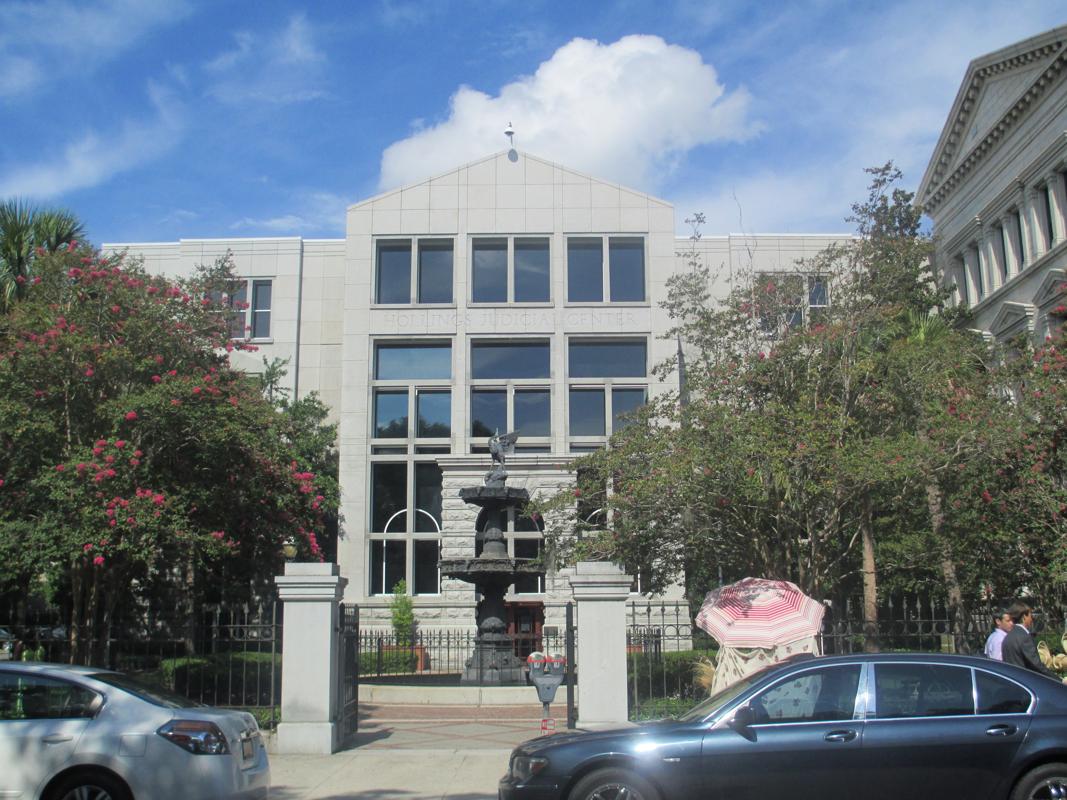
The Hollings Judicial Center in Charleston, South Carolina, home of the federal District Court where the wrongful-death suit was filed. Photo by Billy Hathorn ©Billy Hathorn (CC BY-SA 3.0).
The case ended fast. The parties told the court they had reached a settlement in May 2025. A docket entry in September 2025 listed the figure at at least $50,000. The court papers said $20,000 of that would go to legal fees and costs. The rest would go to the family. The full terms were sealed. Boeing said it had taken action on the issues Barnett raised "several years ago" and continued to deny that it caused his death.
Joshua Dean and the Boeing whistleblower pattern
Two months after Barnett's death, another Boeing-linked whistleblower also died. Joshua Dean was a former quality auditor at Spirit AeroSystems. Spirit is the firm that builds 737 MAX fuselages for Boeing in Wichita, Kansas. Dean had flagged mis-drilled holes in the aft pressure bulkhead of 737 MAX fuselages in October 2022. Spirit fired him in April 2023. He sued for retaliation.
Dean was 45 and in good health. He fell ill in mid-April 2024 with trouble breathing. He was taken to a hospital, then a second one. He developed pneumonia and an MRSA infection. He died in May 2024. His death was not violent. The cluster of two Boeing-linked deaths in two months still rattled the press and Capitol Hill.
In June 2024 Boeing CEO Dave Calhoun appeared before the Senate Permanent Subcommittee on Investigations. He told senators that Boeing had fired employees for retaliating against whistleblowers, though he gave neither names nor a count. He did acknowledge that the company had a culture problem. He left the chief-executive job at the end of that year. The hearings did not produce a new safety law. They did feed the deferred-prosecution review that hung over Boeing for the rest of 2024.
The wider Boeing whistleblower roster is now long. Charles Whitcomb, Mike Mongiello, Sam Salehpour, Ed Pierson, Roy Irvin: each has flagged a different defect or a different culture problem. None has yet brought home a verdict in court. Barnett's case still moves on as the most visible. His name appears in every later Boeing safety story.
John Barnett: frequently asked questions
Who was John Barnett?
He was a Boeing quality control manager for 32 years. He worked at the Everett, Washington factory and then at the North Charleston, South Carolina plant. He retired in 2017. He became one of the most public critics of how Boeing built the 787 Dreamliner.
What did Barnett say was wrong with the 787?
He flagged three things. He said titanium metal shavings sat near electrical wiring on flight-control systems. He said up to one in four emergency oxygen masks failed bench tests. He said managers pushed workers to skip the paperwork that records defects. The FAA confirmed parts of his case in 2017.
Was OSHA's no-cause letter the end of his case?
No. OSHA wrote in November 2020 that it had no reasonable cause to find Boeing had broken AIR21. Barnett filed an objection and moved the case to a federal Administrative Law Judge. His amended complaint was set for trial in June 2024.
How did John Barnett die?
He died on 9 March 2024 in Charleston, South Carolina. Police found his body in his locked pickup truck in a Holiday Inn parking lot. He had a single gunshot wound to the head from a pistol in his right hand. The coroner ruled it a suicide. The note in the truck was addressed to Boeing.
Who is suing Boeing now?
His family filed a wrongful-death civil suit in federal court in Charleston on 21 March 2025. Their lawyers are Robert Turkewitz, Brian Knowles, David Boies, and Sigrid McCawley. Boeing has denied that it caused his death.
How much did Boeing pay the family?
The parties settled in May 2025. Court records made public in September 2025 list the payment at at least $50,000, with $20,000 set aside for legal fees and costs. The full terms of the settlement are sealed.
The honest read on the Barnett case is that the safety facts and the legal facts pull in different directions. The FAA did back parts of his story. OSHA did not back his retaliation story. His own death pulled the rest of the case off the docket. The $50,000 number, set against a 32-year career and four years of OSHA review, will not feel like justice to anyone who reads the file. The next 787 quality inspector who sees something wrong now knows what AIR21 buys and what it does not. The link between Suchir Balaji and Jeffrey Wigand and Barnett is the same. The legal channel is too slow for a person already in distress, and the same lesson runs through outsider campaigns like Erin Brockovich's fight over PG&E's chromium-6. That is the part Congress still has not fixed.

Researcher and data analyst in whistleblowing. Tells the stories of famous whistleblowers and the history behind their fight for accountability.