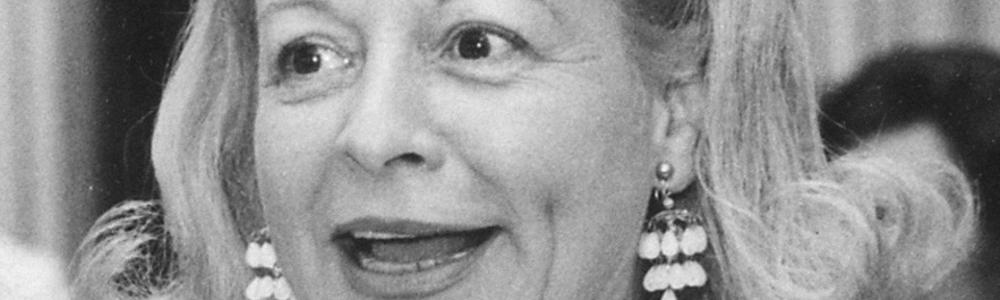
Martha Mitchell was the Watergate whistleblower nobody believed
Martha Mitchell was the wife of Nixon's attorney general. Days after the Watergate break-in, she tried to warn reporters that something was wrong. Nixon's men held her in a hotel and a doctor drugged her to keep her quiet. The press wrote her off as a deluded drunk. Years later she was proven right, and a psychiatric term now carries her name.
Key Takeaways
- Martha Mitchell was the wife of John Mitchell, Nixon's attorney general and campaign chief.
- She tried to tell reporters about Watergate and was held in a hotel and drugged to stop her.
- The press and the White House painted her as unstable, and most people believed them.
- Watergate burglar James McCord confirmed in 1975 that she had been "basically kidnapped".
- The "Martha Mitchell effect" is now a real term for dismissing a true story as a delusion.
Who was Martha Mitchell?
Martha Mitchell was a Washington socialite who could not stop talking to the press. She was born Martha Beall in Pine Bluff, Arkansas, in 1918. She married lawyer John N. Mitchell, who became Nixon's attorney general in 1969. That made Martha one of the best-known wives in the capital almost overnight.
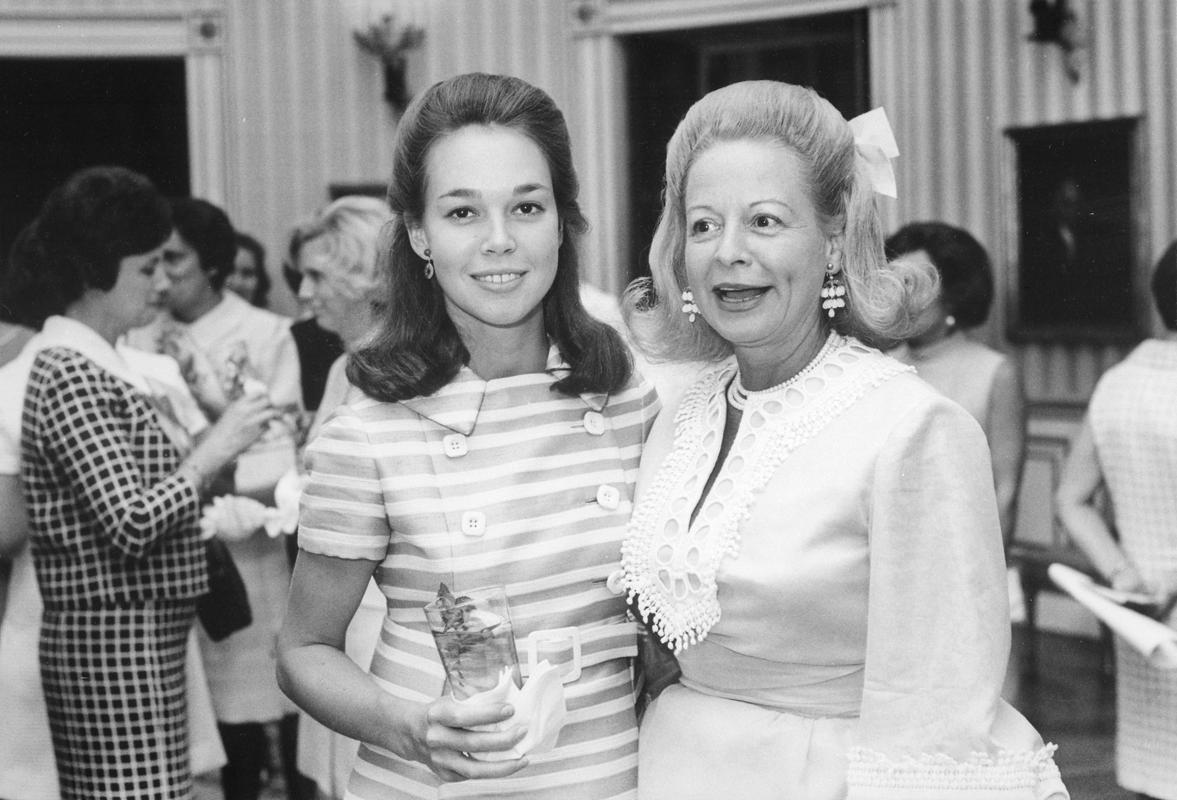
Martha Mitchell with Julie Nixon Eisenhower, around 1969 / Nixon White House Photo Office, NARA / Wikimedia Commons (Public Domain)
She loved the spotlight and used it. Reporters nicknamed her "The Mouth of the South" because she said exactly what she thought. She would call newsrooms late at night to share gossip and blunt opinions. Most of official Washington stayed careful and quiet. Martha did the opposite, and the public loved her for it.
 WeMoral - whistleblowing software
An anonymous, encrypted whistleblower reporting channel for your employees, suppliers and customers, with case management, the 7-day and 3-month deadlines, and audit logs. Be compliant with the whistleblowing laws that apply to you, in minutes.
Her husband sat at the centre of Nixon's world. In 1972 he left the Justice Department to run the president's re-election campaign. That group had a stiff official name and a famous nickname. People called the Committee to Re-Elect the President CREEP. The men who broke into Watergate worked for it.
What did she know about Watergate?
Martha knew the men behind Watergate in person, not just in the news. Her husband ran the campaign that paid the burglars. One of the arrested men, James McCord, had worked as her own security guard. So when she saw the story break, she understood at once how close it sat to her family.
On 17 June 1972, five men were caught inside Democratic Party headquarters at the Watergate complex in Washington. They were there to fix a hidden wiretap and photograph papers. The break-in traced straight back to Nixon's campaign. You can read the Senate's own account of the Watergate investigation for the full chain of events.
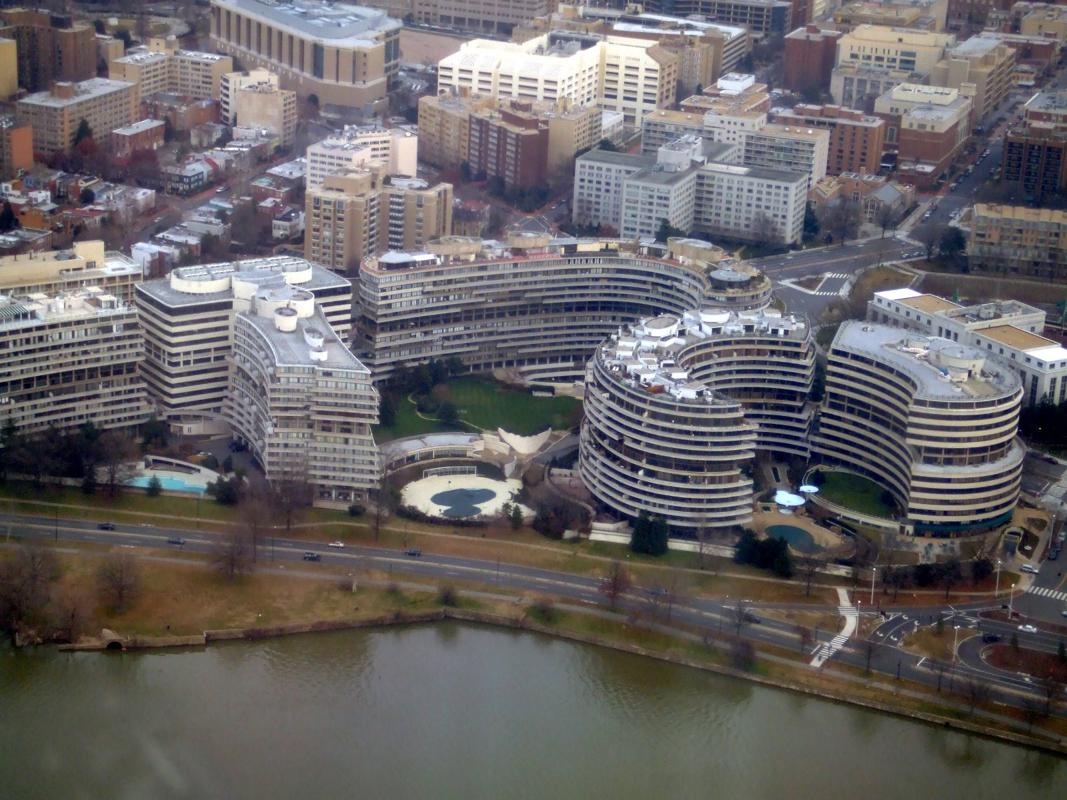
The Watergate complex on the Potomac, where the June 1972 break-in took place / Indutiomarus / Wikimedia Commons (Public Domain)
That weekend Martha was in California with the campaign. Her husband flew back to Washington to deal with the crisis. He left her behind in a hotel with a guard. Then she opened a newspaper, saw McCord's face among the arrested men, and started to put the pieces together.
The phone call that set off her ordeal
A few days after the break-in, Martha did what she always did. She picked up the phone and called a reporter. She rang Helen Thomas of the wire service UPI. She said she would leave her husband unless he quit the dirty business of politics. It was the start of her trying to speak out.
The call never finished. Thomas heard Martha say "Get away, get away", and then the line went dead. A man had pulled the phone cord out of the wall. That man was Steve King, a former FBI agent working as campaign security. When Thomas rang back, she was told Martha was "indisposed". UPI later retold the whole episode in detail.
Martha was not done. Over the next weeks she kept calling reporters whenever she got the chance. She told them the White House was hiding the truth. She warned that her husband was being set up to take the blame. Each call made her a bigger problem for Nixon's team.
How was Martha Mitchell silenced?
Nixon's men silenced Martha by holding her in the hotel and drugging her. After King cut the phone line, guards kept her in the room against her will. At one point she fought back. Five men held her down while a doctor injected her with a tranquilizer to calm her.
She did not come out clean. A reporter who later saw her described bruises on her arms. She had cut her hand badly and needed stitches. She told The New York Times she had been kidnapped and even threatened. For a sitting attorney general's wife, it was a stunning thing to claim.
The smear came next. White House aides leaked the idea that Martha drank too much and was not stable. The press picked it up and ran with it. A woman warning about a real crime was turned into a punchline. Here is how the ordeal unfolded:
- 17 June 1972 - Burglars are caught inside the Watergate complex.
- Days later - Martha calls UPI reporter Helen Thomas and the line is cut.
- That week - She is held in a California hotel and drugged by a doctor.
- Through 1972 and 1973 - The White House paints her as an unstable drunk.
- 1975 - James McCord confirms she was "basically kidnapped".
- 1976 - Martha dies at 57, her name not yet cleared.
- 1988 - A psychologist names the "Martha Mitchell effect" after her.
What is the Martha Mitchell effect?
The Martha Mitchell effect is when a doctor calls a true story a delusion. A patient reports something real but strange. The doctor assumes it cannot be true and treats it as a symptom of illness. The label sticks, and the real warning gets lost.
The term came from a psychologist named Brendan Maher, who coined it in 1988. He named it after Martha for an obvious reason. She had told the truth about a real crime, and almost everyone treated her as mad. Her story became the textbook case of a true report waved away as madness.
The lesson reaches well past one hotel room. People who report wrongdoing often sound far-fetched at first. It is easy to dismiss them as paranoid or unstable. The Martha Mitchell effect is a warning to check the facts before you judge the person.
Was Martha Mitchell right about Watergate?
Yes. Almost everything Martha said turned out to be true. The White House really was hiding the truth. Her husband really was caught up in the scandal, and he went to prison for it. The cover-up she sensed in 1972 forced Nixon to resign in 1974.
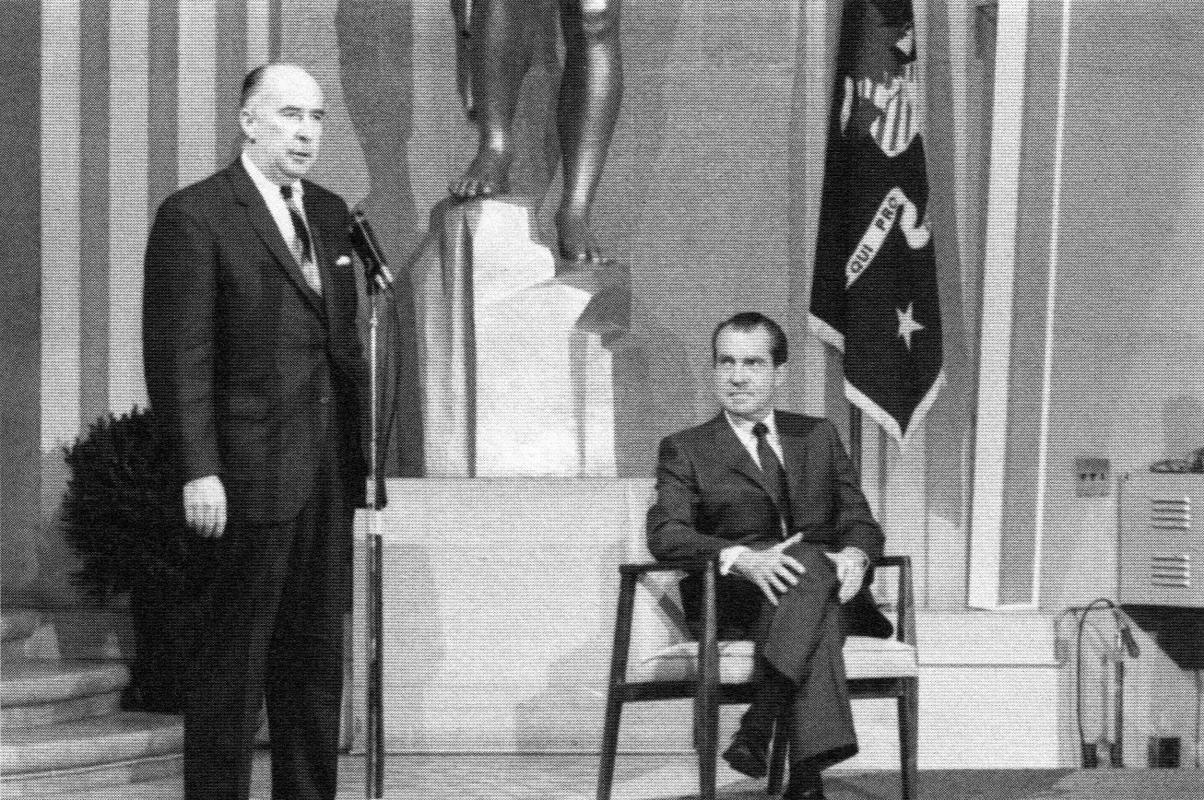
Martha's husband, Attorney General John Mitchell, with President Richard Nixon / Nixon White House Photo Office, NARA / Wikimedia Commons (Public Domain)
Her account of the hotel got backing too. In 1975, Watergate burglar James McCord said plainly that "Martha's story is true" and that she had been "basically kidnapped". The role of Steve King in cutting her off has been reported many times since.
Even Nixon gave her a strange kind of credit. In a 1977 television interview with David Frost, he said that if it had not been for Martha, there would have been no Watergate. He meant that her husband was so busy worrying about her that he took his eye off the campaign. It was blame dressed up as a compliment.
When she died in 1976, an unsigned floral tribute arrived at her funeral. It spelled out three words in flowers: "Martha Was Right". Unlike Mark Felt, the FBI source known as Deep Throat, Martha never hid behind a codename. She spoke out under her own name and paid for it in public.
Her name became a clinical term
Martha Mitchell's story shows what happens with no safe way to report. She had no hotline, no lawyer she trusted, and no protected channel. So she reached for the only tool she had, the telephone, and the people around her shut that down fast and hard.
Her case also shows how cheap it is to attack the messenger. The fastest way to bury a true report is to make people doubt the person who gives it. A drink rumour did more damage to Martha than any denial of the facts, and that tactic still works.
It worked so well on her that psychology kept her name. The "Martha Mitchell effect" is the term for a clinician who writes off a true account as a delusion. She told the truth and was treated as unstable, and the mistake ended up named after the victim, not the people who engineered it.
Martha Mitchell: frequently asked questions
Was Martha Mitchell a whistleblower?
Yes. She tried to alert reporters that the White House was hiding the truth about Watergate. She had no official channel and no protection. She used the press because it was the only tool she had, and she was punished for it.
What happened to Martha Mitchell in California?
She was held in a hotel against her will after she called a reporter. A former FBI agent cut her phone line. Guards held her down and a doctor injected her with a tranquilizer. She later said she had been kidnapped and threatened.
What is the Martha Mitchell effect?
It is when a doctor mistakes a true story for a delusion. A psychologist named it after Martha in 1988. She had reported real events and was treated as unstable, so her name became the label for that mistake.
Did anyone believe Martha Mitchell?
Few people did at the time. The White House painted her as an unstable drunk, and the press went along. She was vindicated later, especially when burglar James McCord confirmed in 1975 that she had been "basically kidnapped".
When did Martha Mitchell die?
Martha Mitchell died in 1976 at the age of 57. The cause was a bone marrow cancer called multiple myeloma. She spent her last years short of money and largely cut off from her old circle.
Conclusion
Martha Mitchell was loud, blunt, and right. She saw a crime forming around her family and tried to tell the world. For her trouble she was held down, drugged, and laughed at. The truth caught up only after the damage to her name was done.
Her vindication came too late to reach her. The burglar James McCord admitted in 1975 that she had been all but kidnapped, but by then her marriage and her name were gone. The lesson she left is a dark one: when no one will hear a warning, the easiest thing to destroy is not the message but the messenger's mind.

Researcher and data analyst in whistleblowing. Tells the stories of famous whistleblowers and the history behind their fight for accountability.