Linda Tripp recorded Monica Lewinsky and helped impeach a president
Linda Tripp was a Pentagon worker who secretly taped her friend Monica Lewinsky talking about an affair with President Bill Clinton. She handed about 20 hours of tapes to prosecutor Ken Starr in 1998. The recordings helped impeach a president and made Tripp one of the most hated women in America.
Key Takeaways
- Linda Tripp secretly recorded about 20 hours of calls with Monica Lewinsky.
- She gave the tapes to prosecutor Ken Starr and got immunity from charges.
- The tapes proved the affair and helped impeach President Clinton in 1998.
- The Pentagon then leaked her private files to smear her, which broke the law.
- She won more than 595,000 dollars after the government violated her privacy.
Who was Linda Tripp?
Linda Tripp was a career government worker, not a political insider. She was born in New Jersey in 1949. She spent years in public service, including a spell in Army Intelligence. By the 1990s she worked at the White House, then moved to the Pentagon's public affairs office.

Linda Tripp in a 1965 yearbook photo, long before the scandal.
(public domain)
Tripp first worked at the White House under President George H.W. Bush. She stayed on into the early Clinton years. Later she moved to the Pentagon. There she met a younger employee named Monica Lewinsky. Lewinsky was 24 years younger, and the two women became friends.
 WeMoral - whistleblowing software
An anonymous, encrypted whistleblower reporting channel for your employees, suppliers and customers, with case management, the 7-day and 3-month deadlines, and audit logs. Be compliant with the whistleblowing laws that apply to you, in minutes.
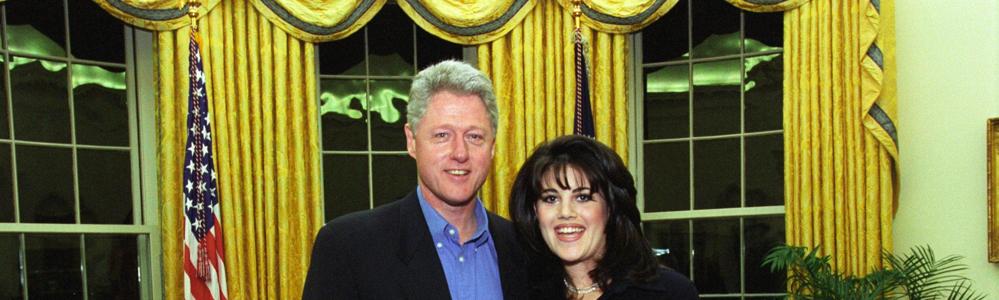
Lewinsky had just left a job at the White House. She began to confide in Tripp. She told her about a secret affair with the president. For Tripp, that private confession would soon turn into the spark of a national scandal.
How did the secret tapes begin?
Tripp started taping her phone calls with Lewinsky in October 1997. A conservative book agent named Lucianne Goldberg told her to do it. Over a few months, Tripp recorded about 20 hours of private talk. The tapes caught Lewinsky describing the affair in her own words.

Monica Lewinsky in a White House photo. Tripp secretly taped their private calls.
(public domain)
On the tapes, Tripp played the part of a caring friend. She gave Lewinsky advice. She also pushed her to keep proof. Tripp told Lewinsky not to dry-clean a navy blue dress that was stained with the president's DNA. That dress later became hard evidence.
Tripp said she taped the calls to protect herself. She feared she might be dragged into a court case and told to lie. She later said her motives were patriotic. Critics saw it very differently. To them, she had betrayed a friend who trusted her.
Why did she give the tapes to Ken Starr?
In January 1998, Tripp handed the tapes to independent counsel Ken Starr. He was already investigating the president. In return, Tripp got immunity from prosecution for the illegal taping. The tapes gave Starr proof the affair was real, even though Clinton and Lewinsky had both denied it.
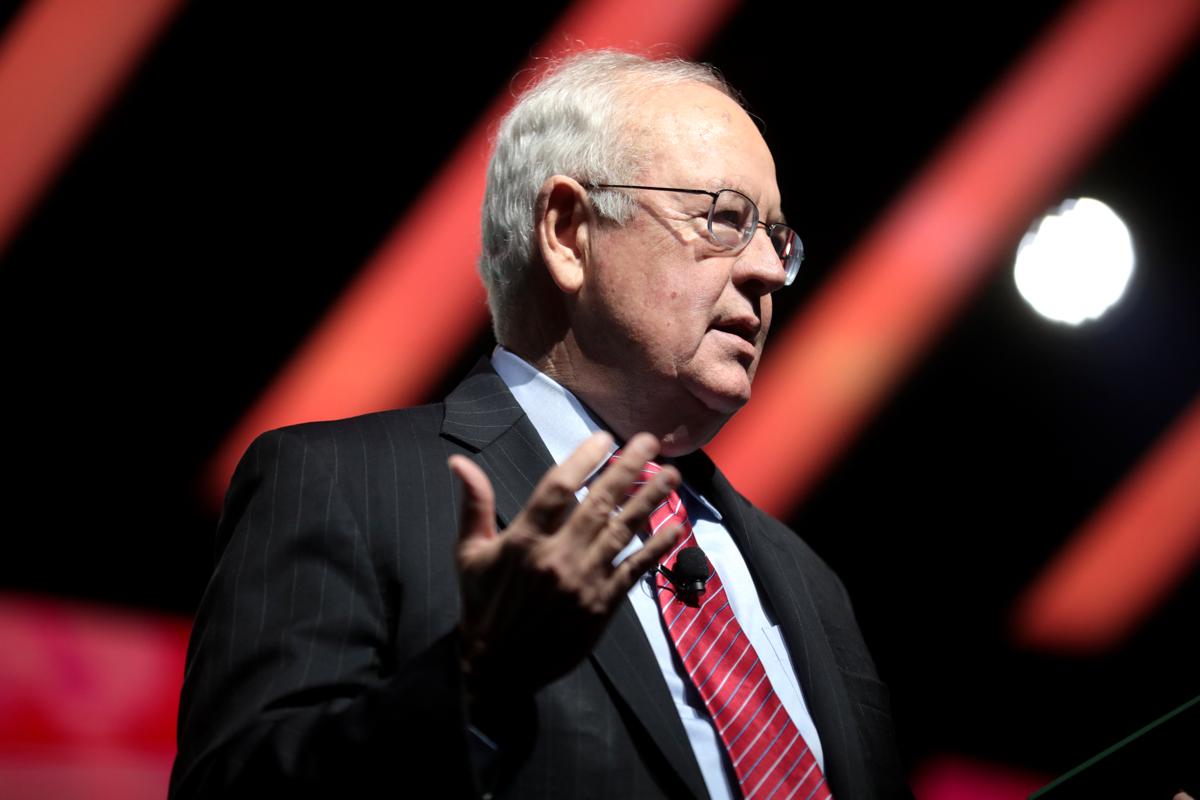
Independent counsel Ken Starr, who built his case on Tripp's tapes.
© Gage Skidmore (CC BY-SA 2.0)
The tapes changed everything. Clinton had told the public, "I did not have sexual relations with that woman." The recordings showed that was false. Starr widened his inquiry to look for perjury. The story broke across the press and gripped the country.
In December 1998, the House of Representatives impeached Clinton. The charges were perjury and obstruction of justice. The Senate acquitted him in February 1999, so he kept his job. But the scandal marked his presidency for good. Tripp's tapes sat at the heart of it.
Was the secret taping legal?
Tripp's taping was illegal under Maryland law. The state needs both people to agree before a call is recorded. Tripp taped Lewinsky from her Maryland home without consent. That left Tripp open to criminal charges, even as the tapes drove a national investigation.
In 1999, Maryland charged Tripp under its wiretap law. Forty-nine state Democrats had pushed for the case. But it soon fell apart. Tripp's federal immunity deal had tainted the evidence. The court could not use her own protected words against her.
There was a second problem for the state. To convict Tripp, prosecutors needed Lewinsky to testify. The judge ruled that Lewinsky was not a credible witness. On 26 May 2000, the state dropped every charge. Here is the order of events:
- October 1997 - Tripp starts secretly taping calls with Lewinsky.
- January 1998 - She hands the tapes to Ken Starr and gets immunity.
- December 1998 - The House impeaches President Clinton.
- February 1999 - The Senate acquits Clinton.
- 1999 - Maryland charges Tripp under its wiretap law.
- May 2000 - The state drops all charges against her.
How was Linda Tripp retaliated against?
While Tripp helped the Starr inquiry, the Pentagon hit back. In March 1998, senior Defense officials leaked private details from her security file to the press. They revealed an old arrest from when she was 19. The goal was to paint her as a liar and wreck her name.
The leak broke a federal law. A Defense official, Kenneth Bacon, and his deputy, Clifford Bernath, passed the file detail to a reporter at The New Yorker. The Department's own inspector general looked into it. It found that both men had broken the Privacy Act of 1974.
Tripp sued the Defense Department and the Justice Department. The case ran for years. In November 2003, the government settled. The contrast at the heart of her story is stark:
| Privacy violation | Who did it | Legal result |
|---|---|---|
| Secretly taped a private friend | Linda Tripp | Immunity, no conviction |
| Leaked a federal worker's security file | Pentagon officials | Privacy Act breach, 595,000 dollar payout |
The settlement gave Tripp more than 595,000 dollars. She also got a retroactive promotion, back pay, and a pension. The government cleared her to work in federal jobs again. The leak meant to destroy her ended in an official finding that her own bosses broke the law.
Was Linda Tripp really a whistleblower?
Whether Tripp was a whistleblower is still argued. Supporters say she exposed a president who lied under oath. Critics say she betrayed a friend's trust over a private, consenting affair. The label depends on what you think she was really exposing.
A whistleblower reports wrongdoing in the public interest. Tripp argued she did just that. She believed Clinton had pushed Lewinsky to lie in a sexual harassment case. In her view, that was obstruction of justice, not just a private affair.
Others reject the title. Lewinsky had confided in Tripp as a friend. Tripp recorded those talks in secret and broke the law to do it. To Lewinsky, it was a deep betrayal. She once told a grand jury, "I hate Linda Tripp." Tripp still said she would do it all again.
What happened to Linda Tripp later?
After the scandal, Tripp stepped out of public life. The Clinton administration fired her from the Pentagon on its last full day in office, in January 2001. She later remarried, settled in Virginia, and ran a holiday store called The Christmas Sleigh with her husband.
For years she stayed quiet. In 2018, she broke her long silence to defend her choice. She called herself the victim of a high-tech lynching. She said history had judged her unfairly. She never backed away from what she had done.
Linda Tripp died of pancreatic cancer on 8 April 2020, at the age of 70. When news of her illness spread, Lewinsky wrote that she hoped for her recovery. A memoir Tripp had written was published later that year.
Whistleblower or betrayer?
Tripp's story shows what happens with no safe way to report. She thought she saw a crime. She had no trusted, lawful channel to raise it. So she reached for a tape recorder and broke the law. A clear reporting route might have changed the whole story.
Her case also shows the cost of revenge. The moment she became a problem, her own employer leaked her private file to smear her. That is a textbook reprisal, and Tripp's payout proved the Privacy Act had real teeth.
What keeps her case divisive is the method. She exposed real perjury, but she did it by secretly taping a friend and handing the tapes to prosecutors. The truth she revealed and the trust she broke live inside the same act. That is why, decades on, people still cannot agree whether to call her a whistleblower or a snitch.
Linda Tripp: frequently asked questions
Was Linda Tripp a whistleblower?
It is disputed. Some call her a whistleblower because she exposed a president who lied under oath. Others call her a betrayer because she secretly taped a friend. She always said her aim was to expose wrongdoing, not to hurt Lewinsky.
What did Linda Tripp record?
She recorded about 20 hours of private phone calls with Monica Lewinsky. On the tapes, Lewinsky described her affair with President Clinton. Tripp made the recordings at her Maryland home without Lewinsky's consent.
Did Linda Tripp go to jail?
No. Maryland charged her under its wiretap law in 1999, but the case was dropped in 2000. Her federal immunity deal had made key evidence unusable. She never served any time.
How much money did Linda Tripp get?
She won more than 595,000 dollars from the government. She also received a retroactive promotion, back pay, and a pension. The payout settled her claim that the Pentagon broke the Privacy Act by leaking her files.
When did Linda Tripp die?
Linda Tripp died on 8 April 2020 at the age of 70. The cause was pancreatic cancer. She had spent her later years running a holiday store in Virginia.
Conclusion
Linda Tripp remains a hard figure to judge. She helped expose a president, broke the law to do it, and lost her good name in the process. Her own employer then broke the law to punish her. Few whistleblower stories are this tangled.
Her case is a lesson in what missing channels cost. With a lawful way to report perjury, Tripp would not have needed a hidden recorder, and the story might be remembered as an exposure rather than a betrayal. Instead the method swallowed the message, and that is the trap she never escaped.

Researcher and data analyst in whistleblowing. Tells the stories of famous whistleblowers and the history behind their fight for accountability.