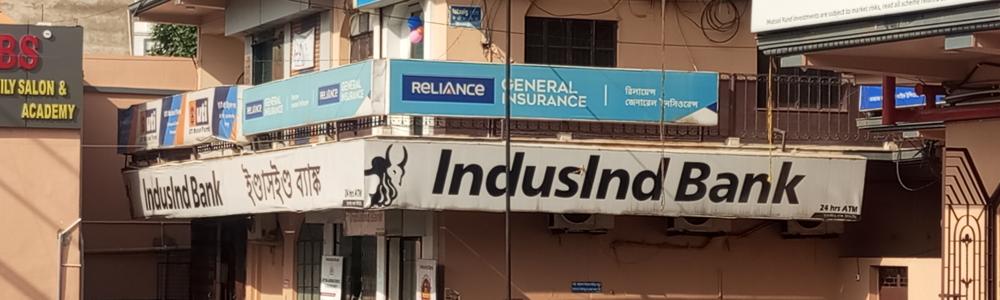
The IndusInd Bank scandal, a $230 million loss hidden for years
The IndusInd Bank scandal broke in March 2025. India's fifth largest private lender admitted a $230 million hole in its accounts, hidden for years. The bank's own controls and audit committee never flagged it. Every serious warning came from outside the normal reporting channels. It took a departing CFO, the central bank, and later a whistleblower complaint to force the disclosure.
Key Takeaways
- IndusInd hid a derivatives loss of about ₹2,000 crore ($230 million) for years before owning up.
- The bank disclosed it only after the Reserve Bank of India stepped in.
- The CFO who pushed for a real audit filed four resignation letters and left.
- The board and audit committee saw the warnings and did not act in time.
- A 2026 whistleblower complaint says the bank rigged its own fraud probe to protect the executives it should have exposed.
What was the problem with IndusInd Bank?
IndusInd Bank had misstated its accounts for years. The core issue was its derivatives book. The bank had booked fake profits on internal currency trades, and the gap grew to about ₹2,000 crore ($230 million), roughly 2.35% of its net worth. It came out in March 2025. The loss was big, but its cause was worse than a single bad trade: a control that never worked.
The trick was an accounting mismatch. The bank ran two legs of the same currency deal. One leg, between its own desks, used accrual accounting. The other leg, with outside banks, used mark-to-market values. That mismatch let the bank show profits that were not there. It only surfaced after the Reserve Bank of India (RBI), the country's central bank and banking regulator, changed its rules on bank investment books in April 2024.
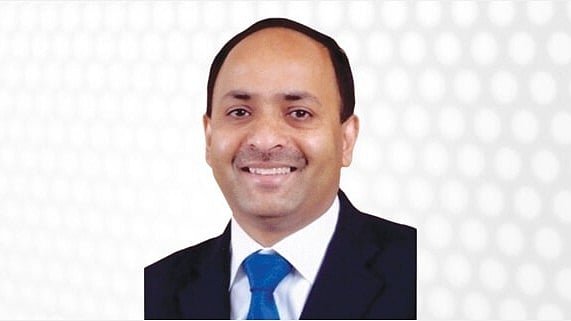
Sumant Kathpalia, who resigned as IndusInd Bank CEO in April 2025. Photo via Deccan Herald.
The damage spread past derivatives. An internal audit found ₹172.58 crore wrongly booked as fee income in the microfinance arm. Another review flagged hundreds of crore of interest income that should not have been there. By the time it all landed in one quarter, IndusInd posted a record loss of about ₹2,236 crore (around $262 million). Reuters reported the bank suspected fraud by some of its own staff.
How the bank sat on the losses for months
The bank knew about the problem long before it told the public. An outside review by PwC was underway from the second half of 2024. Directors were told about it in October 2024. Yet the formal disclosure to the stock exchanges did not come until 10 March 2025. For about five months, the people who could act sat on what they knew.
The delay was not for lack of warning. The bank's then chief financial officer, Gobind Jain, pushed for an independent audit and got nowhere. He filed four resignation letters between June and September 2024. He formally left in January 2025. The man raising the alarm burned out before the bank moved. The timeline below shows how slowly it all played out.
| When | What happened |
|---|---|
| April 2024 | New RBI rules on investment books start to expose the derivatives gap. |
| July-August 2024 | A PwC review is proposed, then stalls over a missing engagement letter. |
| June-September 2024 | CFO Gobind Jain files four resignation letters after pushing for an audit. |
| October 2024 | Directors are told of the PwC review; an internal report flags insider trading. |
| January 2025 | Jain leaves the bank; the zonal head accused of insider trading is dismissed. |
| 3 March 2025 | The RBI directs the bank's compliance team to convene a meeting. |
| 10 March 2025 | IndusInd finally discloses the roughly ₹2,000 crore loss to the market. |
The sequence is damning. The bank held the information from October to March, then moved within a week of the RBI stepping in. Left to its own controls, it stayed silent.
 WeMoral - whistleblowing software
An anonymous, encrypted whistleblower reporting channel for your employees, suppliers and customers, with case management, the 7-day and 3-month deadlines, and audit logs. Be compliant with the whistleblowing laws that apply to you, in minutes.
Why the alarm only worked once it went outside
The disclosure happened because the regulator forced it, not because the system caught it. The RBI learned of the problem from Gobind Jain's exit interview, according to documents reported by The Wire. The central bank then told the bank's compliance wing to meet on 3 March 2025. The public statement followed seven days later. The trigger came from outside the company. An exit interview is a poor place for a finance director's concern to surface first. A whistleblower reporting channel for financial services should have caught it years earlier, and left the auditor a dated record of who read it and when.
The Wire's account is blunt on this point. It reported that RBI intervention was needed to force the disclosure, and that the bank did not come forward on its own. A live hedge-accounting module was never switched on in the bank's treasury software. Manual entries slipped past the system. The checks that should have flagged the gap were either missing or bypassed.
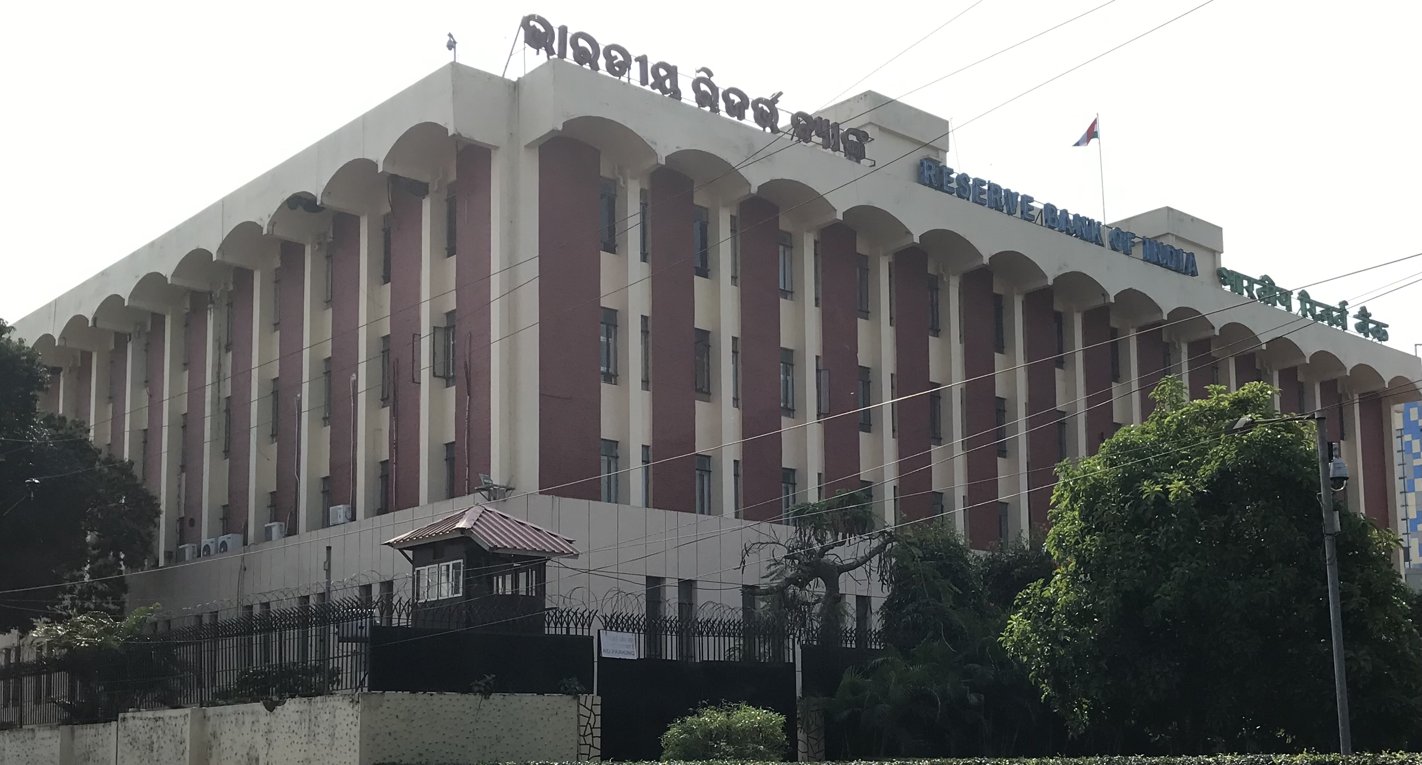
A Reserve Bank of India office. The RBI's intervention forced IndusInd to disclose the losses. Photo: Subhrasingh, CC BY-SA 4.0.
The late disclosure carried a price. When the news broke, IndusInd's stock fell about 27% in a single day in March 2025, wiping out billions in value. Moody's cut its outlook on the bank and pointed to weak internal controls and thin oversight. Depositors grew nervous and low-cost deposits slipped. A problem the bank could have flagged quietly in 2024 instead hit the market all at once.
A year later, the pattern repeated. In May 2026, a fresh whistleblower complaint went straight to the Prime Minister's Office, the RBI, the Serious Fraud Investigation Office, and the accounting regulator. It did not go through the bank. After what happened the first time, the sender did not trust the inside route at all. That choice is the whole problem in one move.
When the audit committee is the problem
A bank's audit committee exists to catch exactly this. IndusInd's did not. The board, chaired by Sunil Mehta, and the audit committee, chaired by Bhavna Doshi, had the warning signs in front of them. The treasury issues and the gap between accounting standards were reportedly raised over several years. They were not challenged hard enough to stop the slide.
When the bank later faced up to the scale of it, its own board put the failure in plain words. The case, the board said, was one of misconduct that damaged the bank.
"Accounting misstatements, regulatory sanction, failure of internal controls and compliance, leading to breach of rules, regulations and damage to the bank."
IndusInd Bank's board, on the case against its former leaders, reported by Reuters, November 2025
The failure is worse than a simple oversight gap. Indian listed companies are required to run a whistleblower channel. SEBI's listing rules and the Companies Act both demand a vigil mechanism that the audit committee must oversee. IndusInd had one on paper. The point of that channel is to route a concern past the very people it implicates. When the audit committee is part of the failure, a channel they control is no channel at all.
Can a forensic investigation be trusted?
A forensic review is only as honest as its distance from management. The 2026 complaint says IndusInd's was not far enough. It alleges that the probe by Grant Thornton Bharat was steered by senior managers and board members, so that evidence was buried and some people were shielded. Grant Thornton Bharat calls the claim "motivated" and rejects it. The bank rejects it too. The allegations are not proven.
The complaint is detailed. It centres on Samir Agarwal, a former zonal head for eastern India. It says he made gains of about ₹46 crore (about $5 million) on trades worth around ₹815 crore, using confidential information from his role. An internal report flagged this in October 2024, and the bank dismissed him in January 2025. The Economic Times, which saw the complaint, reported that he was asked to give back the money.
The insider-trading worry reached the top too. A Grant Thornton review found that the former CEO and his deputy had traded IndusInd shares while they knew about the accounting lapses, before the public did. India's market regulator, SEBI, barred both men from the securities market while it investigates. The bank later moved to claw back the pay they had drawn.
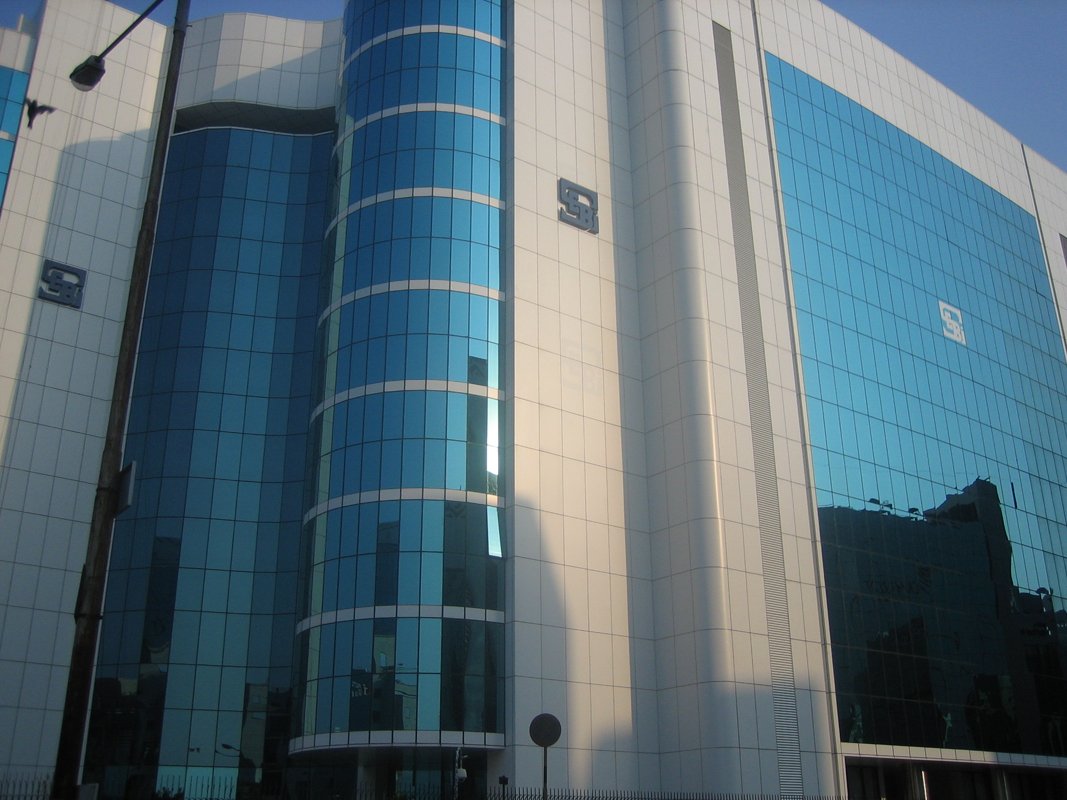
SEBI Bhavan in Mumbai. India's market regulator barred two former IndusInd executives while it investigates. Photo: Jimmy vikas, CC BY-SA 3.0.
Then comes the question the top news stories skip. Many readers search for why former HR chief Zubin Mody left the bank. The complaint does not answer that, but it does ask a pointed one of its own: what happened to the money Agarwal was told to return, and whether any of it reached Mody or other senior staff. Agarwal did not respond to the reporters' request for comment. The bank says all concerns were "duly examined" with proper action taken.
What a real reporting channel would have caught
Strip away the figures and the same gap sits under each step. The fraud was visible from the inside for years. The CFO saw it and pushed. An internal report flagged insider trading. The auditors were in the building. Yet the warnings only worked once they left the company. No one inside had a safe, independent way to force a real look while there was still time.
Auditors later debated whether the loss was an "error" or a "fraud", a label with heavy legal weight under Indian law. Business Standard laid out why that single word changes everything. But the labelling fight is a late argument. It happens after the harm. A protected report, early and confidential, is what stops the harm before lawyers start parsing words.
That is what whistleblowing software like WeMoral is for. It gives a worried employee a route that does not run through the boss they are worried about. It can take a report without a name and keep the trail for a regulator. IndusInd had a mandated channel and a full board. What it lacked was a path the people who knew felt safe enough to use.
The promoter's response showed how far the gap ran. Ashok Hinduja, whose group controls the bank, called the episode a chance for a clean restart.
"A new dawn with a sanitised slate."
Ashok P. Hinduja, chairman of the bank's promoter group, May 2025
The IndusInd Bank scandal is not a one-off. Yes Bank and PMC Bank also unravelled in India only after outside pressure built, not because an internal alarm rang in time. The bank has since named a new chief executive and begun an overhaul of its controls. The unresolved question is larger than one lender. If a bank this size needed its regulator to surface a $230 million hole, how many others are trusting controls that would stay just as quiet?

Compliance specialist focused on policy roll-out and internal information flow. Writes on EU rule-making, landmark cases, and implementing reporting software.