
A whistleblower's first move is rarely a phone call to a journalist. It is a memo to a manager, an email to compliance, a quiet word with HR. The press comes after, when the inside route closes. By the time a reporter is taking notes, the company has already had several chances to listen and missed them. The EU Whistleblower Directive made internal reporting channels mandatory across the bloc, which is a real step forward, but a mailbox is not a culture. When the channel is for show, when retaliation is a known cost, and silence is the internal answer, the next door is the newsroom. And the route there has never been better paved.
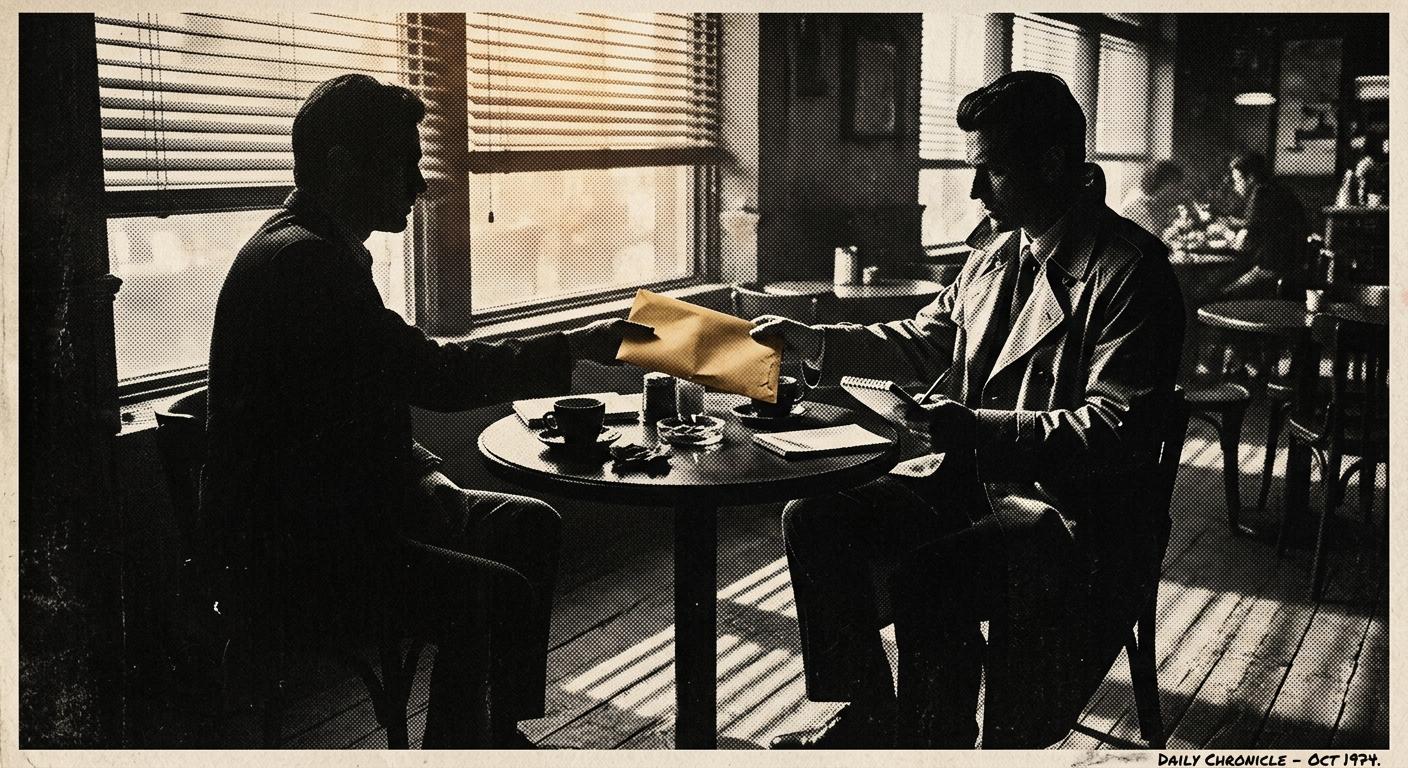
Why the inside door staying shut sends people outside
Whistleblowers go public for the same reason most of them stay quiet for years first: the internal route is closed. Most external disclosures come at the end of a long internal trail, not the start of one. The people who cross that line do not enjoy it. Frances Haugen, the Facebook product manager whose disclosures became the WSJ Facebook Files, put the dynamic plainly in a statement carried by The Washington Post:
"During my time at Facebook I realized a devastating truth: almost nobody outside of Facebook knows what happens inside of Facebook. They operate in the dark."
Frances Haugen @ The Washington Post
The legal scaffolding is in place. All 27 EU Member States have transposed the Whistleblower Directive, and in March 2025 the Court of Justice of the EU ordered Germany, Luxembourg, the Czech Republic, Estonia, and Hungary to pay financial penalties for transposing it late. Yet the Commission's own July 2024 implementation report flagged inconsistent retaliation safeguards and weak reporting mechanisms across the bloc. Law on the books is a starting line, not a finish.
From the Pentagon Papers to the Facebook Files
Going to the press is older than the law that protects it. In June 1971, Daniel Ellsberg passed the 7,000-page Pentagon Papers to The New York Times after years of trying to push the truth about Vietnam through internal channels at the RAND Corporation and the Defense Department. The same era's Watergate source, later identified as Mark Felt, fed Bob Woodward and Carl Bernstein at The Washington Post. In 2013, Edward Snowden handed NSA documents to Glenn Greenwald and Laura Poitras, and the story ran in The Guardian. The same arc shows up in financial fraud, where Harry Markopolos tipped both the SEC and journalists about Madoff for nearly a decade before anyone listened, and in the small library of whistleblower memoirs that followed.
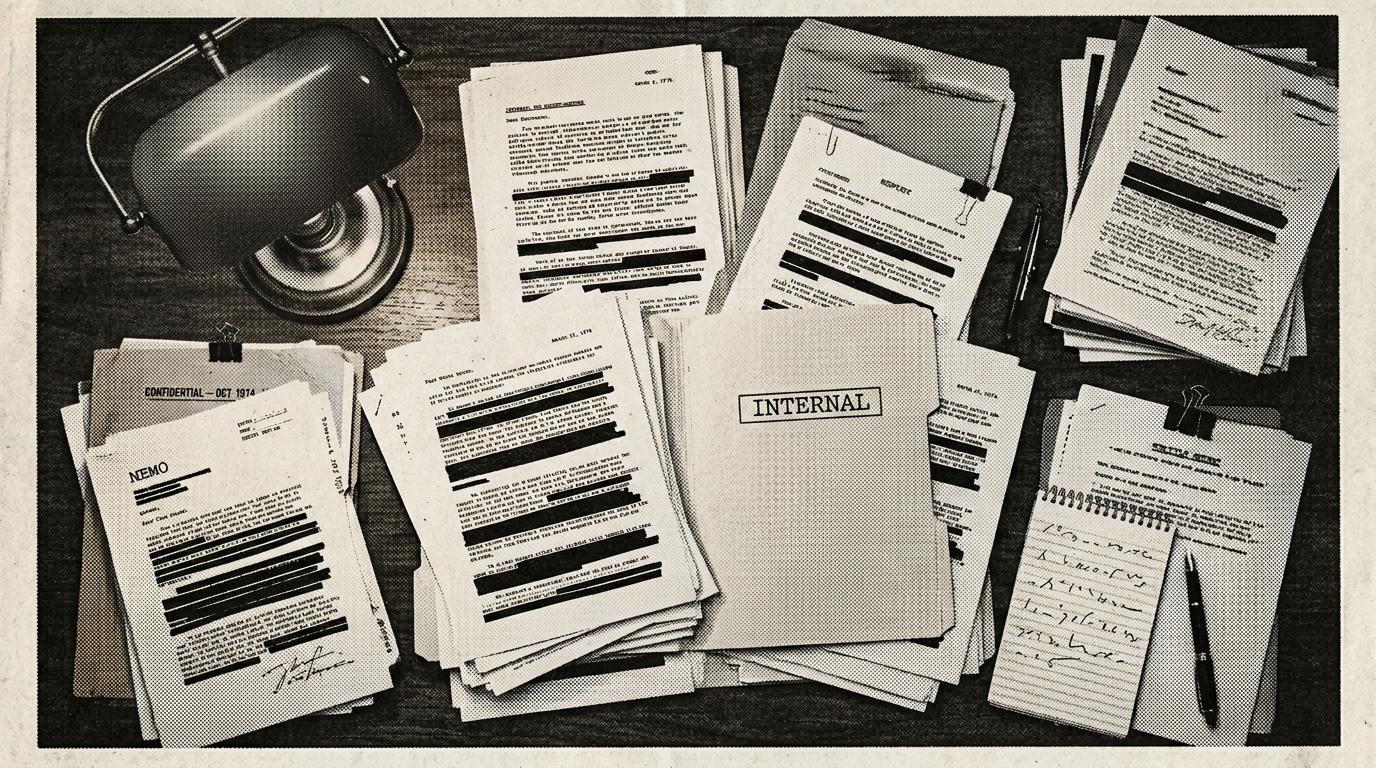
A generation later, Frances Haugen handed reporter Jeff Horwitz at the WSJ tens of thousands of internal Facebook documents. The Facebook Files ran in nine instalments through September and October 2021. The line that stuck, taken from an internal Instagram research deck, was as compact as it was damning:
"We make body image issues worse for one in three teen girls."
Internal Facebook research @ The Wall Street Journal
The Senate Commerce subcommittee called Haugen to testify within three weeks. Eight SEC complaints followed. Same shape every time: people exhaust the inside, then pick a reporter.
Boeing and the cost of going public
The personal price has not gone down. In 2024, two Boeing whistleblowers brought the company's safety culture to a Senate panel. Sam Salehpour, a quality engineer on the 787 Dreamliner programme, told The New York Times and then a Senate Homeland Security investigations subcommittee that Boeing had introduced production shortcuts to clear bottlenecks. His central claim, reported by the Times in April 2024:
"The size of a human hair can be a matter of a life and death."
Sam Salehpour @ The New York Times
Salehpour testified that he had been transferred, threatened, and excluded from meetings after raising the same concerns internally. He was not the first. John Barnett, a 32-year Boeing quality manager, had taken the same warnings to the BBC, The New York Times, and Netflix's Downfall: The Case Against Boeing as early as 2019. In March 2024, mid-deposition in his civil suit against the company, he was found dead. The AI industry has its own version: Suchir Balaji, the former OpenAI researcher who went on the record about training-data practices, was found dead in San Francisco in November 2024 and his case is still open.
From the brown envelope to the encrypted dropbox
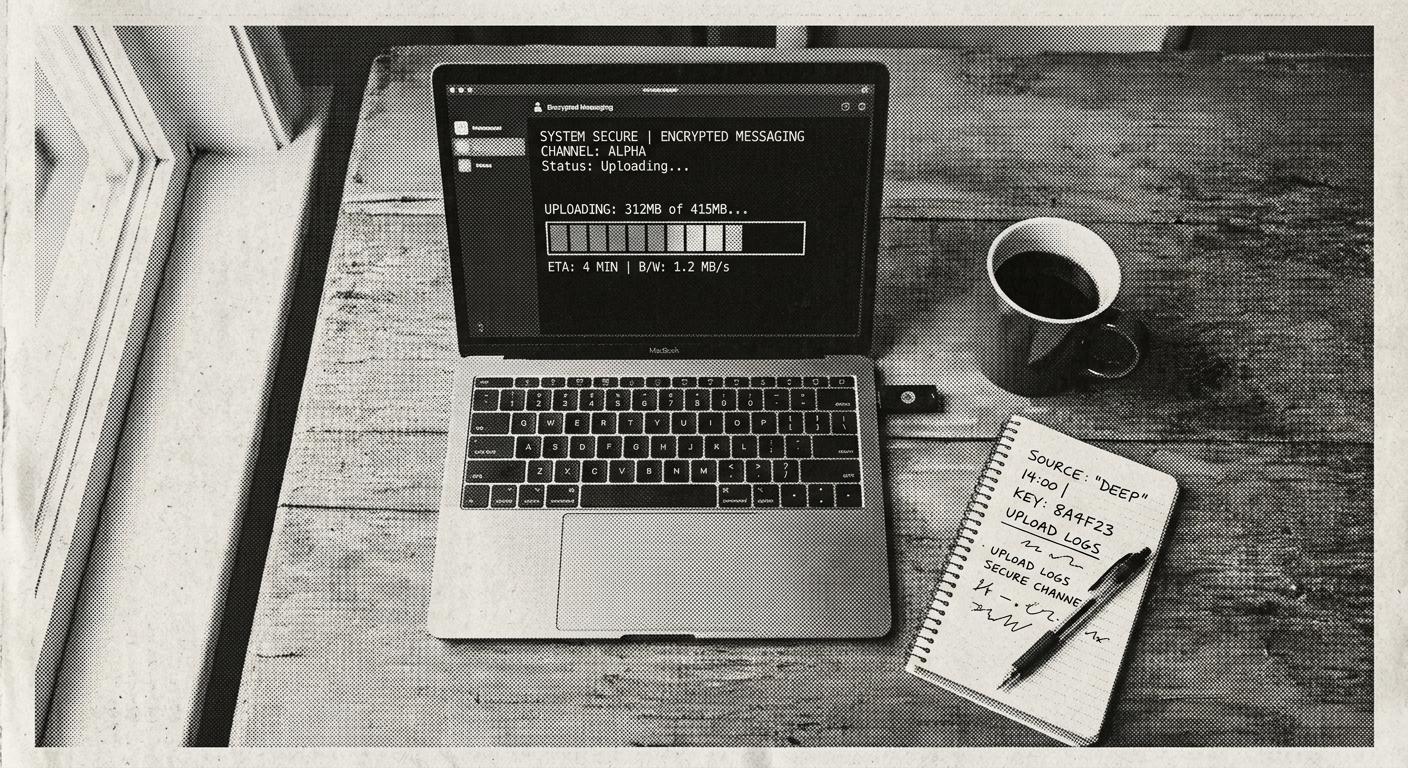
The mechanics of going to the press have changed faster than the dynamic that drives them. Ellsberg photocopied the Pentagon Papers one night at a time on a borrowed Xerox machine. Mark Felt met Woodward in a parking garage. The same conversation now happens over SecureDrop, the open-source submission system run by the Freedom of the Press Foundation. More than 60 newsrooms host an instance, including The New York Times, The Washington Post, ProPublica, The Intercept, and The Globe and Mail. The 2025 workstation release rewrote the journalist app from scratch and switched from Whonix to vanilla Tor. Signal, end-to-end encrypted by default, is the second rail. The brown envelope still works. It just is not the only option a tipster has any more.
Companies that read this as a story about the media are missing the lede. The press is the safety valve, not the cause. Reporters do not arrive uninvited; they get called by people whose own employer would not pick up. A real internal channel, one that takes a report, protects the person who filed it, and acts on what it finds, is cheaper than the share-price bath that follows a Senate hearing. It is also cheaper than a wrongful-death lawsuit. Build the inside door before someone else builds the encrypted dropbox that does the job for you.