
Am I a whistleblower?
Deciding if you are a whistleblower used to be a matter of luck. Today, the law clearly lists the conditions for protection. This circle of protection is widening every year. If you have ever wondered if what you saw at work qualifies for legal cover, you are asking the right question. You likely want to know if the law will shield you from retaliation. This post provides a quick test and a deep dive into the latest legal standards. We also check on the rapidly shifting legal rules for 2026.
Key Takeaways
- Modern laws protect more than just staff. They also cover contractors and job applicants.
- You only need a "reasonable belief" that your facts are true. You do not need absolute proof.
- The UK Employment Rights Act 2025 now covers reports about sexual harassment.
- New EU rules protect anyone who reports corruption or issues with AI systems.
- Programs like HMRC and the SEC offer cash rewards for original, high-value tips.
The Three Legal Tests for Protected Disclosures
To get legal protection in the UK and EU, your report must pass three tests. These are the work-related context test, the factual basis test, and the public interest test. If you fail any one of these, you might not be safe from retaliation. Legal protection is not automatic. It depends on the nature of your report and your status when you speak up.
The Work-Related Context Test is the first hurdle. Under the EU Whistleblowing Directive, the information must come from a "work-related context." Modern laws use a very broad definition for this. The goal is to make sure that complex corporate structures do not hide wrongdoing. It no longer applies only to full-time staff in a company office. It now covers anyone who has a working link to the organization. This includes consultants, suppliers, and even job applicants. If you discover misconduct during a job interview, the law can still protect you. The law wants to protect the information itself, no matter what kind of contract you have.

The Public Interest Test is often where people get confused. In the UK, the law requires you to reasonably believe the report is in the "public interest." This test started in 2013. Its purpose was to stop people from using whistleblowing laws for private fights. For example, a dispute over your own pay that affects no one else is usually not whistleblowing.
However, the famous case Chesterton Global Ltd v Nurmohamed [2017] set a high bar for this test. The court ruled that a report can serve a private interest and still be in the public interest. In that case, a pay dispute affected 100 managers. Because so many people were involved, it became a public interest issue. Courts now look at four things: how many people are affected, what kind of interests are at stake, the type of wrongdoing, and who the wrongdoer is. Large companies are held to a higher standard because their actions impact more people.
Finally, the Factual Basis Test requires more than just a gut feeling. You must provide "information" that shows a failure. In the Kuzel v Roche Products Ltd [2008] case, the courts made an important point. They said you do not need to prove the wrongdoing happened. You just need enough facts to support a reasonable belief. "I saw the invoice" is useful information. "I have a bad vibe about the boss" is just an opinion. To be safe, you should provide the "what, where, when, and who" of the breach.
Protected Groups: Who the law now covers
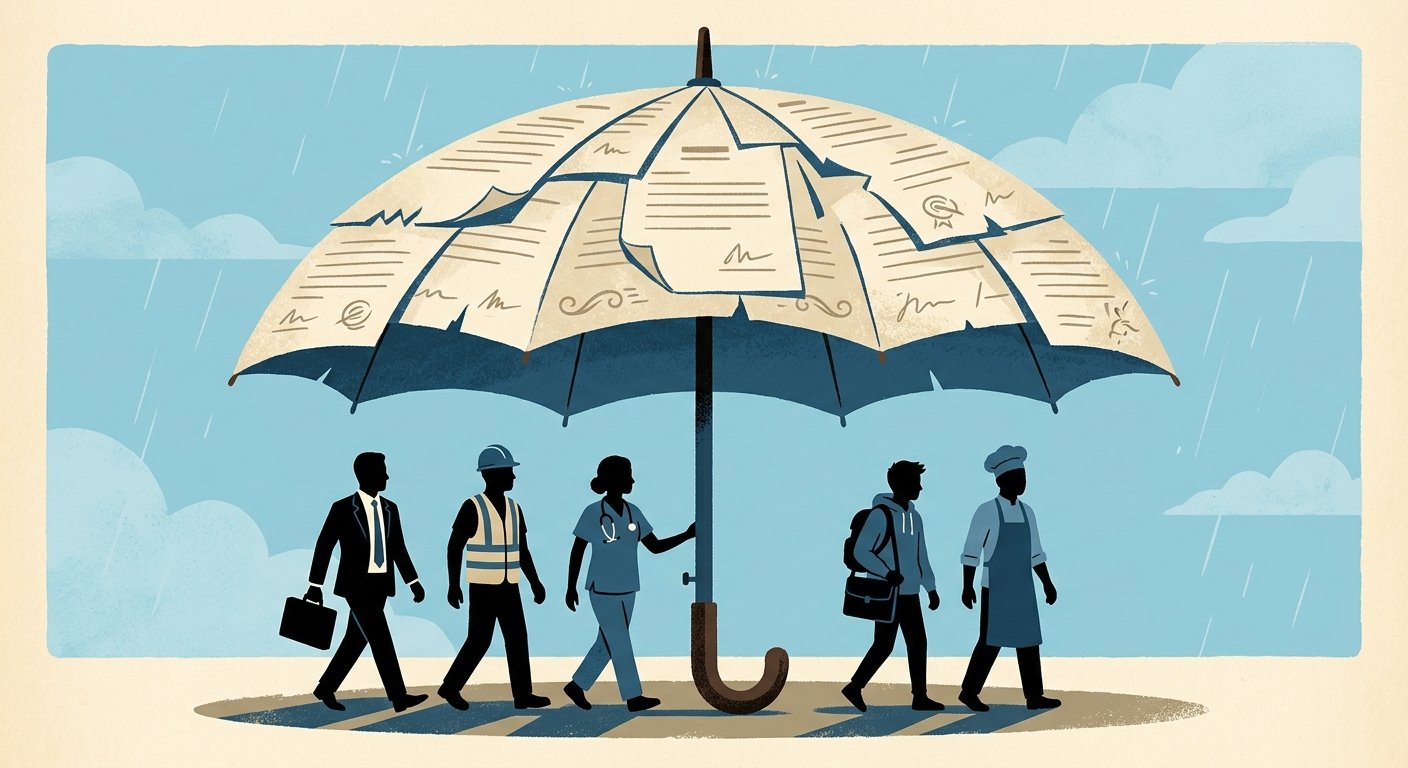
New whistleblower laws have expanded to protect more people. This stops companies from using third parties or "back-door" harassment to silence people. Even if you are not a direct employee, you may still be under the legal umbrella. The law knows that whistleblowers often feel alone. They need a broad support network to speak up safely.
The EU Directive has one of the widest lists of protected people in the world. This includes facilitators. These are people who help the whistleblower. A facilitator could be a union rep, a legal advisor, or a colleague who helps set up a secure way to report. By protecting these people, the law ensures that those who help the truth come out are not punished for their help. The law also protects third persons linked to the reporter. This includes relatives who work at the same company.
The list now also includes job applicants. This protects people who find corruption or bias while applying for a job. At this stage, people are very vulnerable. They could be blacklisted before they even start work. This is a big change from old laws that only protected people with a signed contract.
In the UK, the law focuses mainly on "workers." However, recent updates now include volunteers and trainees in some areas, like healthcare. The UK still does not have the same "facilitator" protection as the EU. This means a colleague who helps you might have to use different laws to stay safe.
Reasonable Belief: Your legal safety net
The "Reasonable Belief" standard is your legal safety net. it protects you even if you make an honest mistake. This is the most important part of the law. It admits that most whistleblowers do not have all the files or perfect proof. This standard has two parts. The first part is subjective: did you actually believe the facts? The second part is objective: would a reasonable person in your job, with your knowledge, believe them too?
The EU rules say you are safe if you had "reasonable grounds" to believe the facts were true when you reported them. This means you do not have to be a private detective. You do not have to guarantee that your claims are 100% right. If the law required you to be perfect, no one would ever speak up. Most people would not risk their careers on anything less than absolute proof.
The US SEC also uses a "reasonable belief" standard. Even if you are wrong about the law or the facts, you are still protected. As long as a person with your background could have suspected a problem, you are safe. This standard protects "good faith" reporters from the high costs of a legal error. It focuses on your honesty at the moment you spoke up, not on the final result of the investigation.
2026 Updates: New rules for AI, tax, and harassment
The year 2026 is a big turning point for corporate honesty. New laws have made it easier to report problems. They also offer better rewards. These updates help with new risks in tech and the need for better social rules.
In the UK, the Employment Rights Act 2025 started on 6 April 2026. This law now says that sexual harassment is a valid reason for whistleblowing. This gives people "automatically unfair dismissal" protection. It also gives them access to interim relief. This is a vital tool. It lets a court order a company to keep paying your salary while your case is in court. This removes the fear of losing your income right away.
HMRC has also launched a Strengthened Reward Scheme (SRS). It is now a major tool for catching tax cheats. The scheme offers rewards of 15% to 30% of the tax recovered. This applies to cases where at least 1.5 million pounds in extra tax is collected. This is a shift toward the type of rewards used in the US. The goal is to recover millions in unpaid taxes over the coming years.
In the EU, two major things happened in 2026. The Anti-Corruption Directive was adopted on 21 April 2026. It requires all EU countries to protect people who report bribery or theft of funds. Also, the EU AI Act started fully on 2 August 2026. It includes protection for people who report safety issues with AI systems. The EU even launched a new AI Whistleblower Tool. This lets people report problems anonymously to the EU AI Office.
Case Studies: The human and financial stakes
The case of John Barnett is a sad reminder of the costs of speaking up. Barnett was a quality manager at Boeing. He warned about bad parts and issues with oxygen systems on planes. After years of reporting these problems, he filed a lawsuit for retaliation.
In March 2024, Barnett was found dead during his legal case. His family kept fighting for him in court. They said the hostile work environment led to his death. In September 2025, Boeing reached a settlement with his family. While many details are secret, the case is now part of a large federal investigation. It looks into the safety culture at Boeing and how they treat staff who speak up.
On the financial side, the US SEC paid a massive 53 million dollar award in April 2026. It went to a single industry insider. This person revealed major violations that the company was trying to hide. But the award was smaller than first expected. The SEC cut the amount because of a "substantial delay" in reporting. The whistleblower waited over a year to speak up after finding the fraud. This is a vital lesson for 2026. Rewards can be high, but waiting too long can cost you millions of dollars.
Summary of protections across jurisdictions
| Feature | UK (PIDA / ERA 2025) | EU (Directive 2019/1937) | US (SEC / Dodd-Frank) |
|---|---|---|---|
| Job Applicants | Limited (sector specific) | Explicitly Protected | Protected (Retaliation) |
| Financial Rewards | Tax only (HMRC 15-30%) | No (standardized) | Yes (SEC 10-30%) |
| Sexual Harassment | Explicit (from April 2026) | General protection | Employment law focus |
| Interim Relief | Yes (Court-ordered salary) | Varies by State | Reinstatement remedies |
If you pass the three tests, then yes, you are almost certainly a whistleblower. You have much more legal cover than most workers assume. This is especially true with the 2026 updates in place. Knowing you are a whistleblower is the first step. Choosing the right time and way to report is the part that takes more thought.

HR coordinator and corporate ethics expert. Writes on workplace culture, employee protection, and making whistleblowing part of everyday work.