
Whistleblower used to be a label that found you in hindsight. The conditions that decide whether a worker counts as one are now mapped out in law, and the line keeps moving outward. If you have ever wondered whether what you saw at work qualifies, or whether you would even be protected for raising it, you are asking the right question. What follows is a quick test, then a status check on what the law on protecting a whistleblower actually covers.

Three quick checks
The classic gut test still works. Three short questions, answered honestly, will tell you in under a minute whether you are likely a whistleblower in the legal sense rather than someone with a regular workplace complaint.
Did it happen at work?
The conduct you saw needs to belong to a work-related context. That phrase used to be read narrowly: only as an employee, only inside the building, only on company hardware. Modern definitions read it broadly. It covers what you encountered through any work relationship at all, including ones that ended months ago and ones that never quite started. The next section spells out who that brings in.
Could it actually hurt someone?
The misconduct has to carry real consequences: financial loss, regulatory breach, danger to colleagues, customers, or the public. A personal grievance, a clash of styles, or a manager who annoys you usually does not qualify; serious mobbing or harassment can. If you have to argue hard that the harm exists, it probably is not the kind of harm whistleblower law is built to address. The atmosphere of a workplace matters here: environments that tolerate small abuses tend to hide larger ones.
Is it grounded in facts?
The strongest reports are concrete: dates, documents, transactions, named systems, named people. Reports built on rumour or vibes rarely survive the first interview, and they put the reporter at the most personal risk. This is not a demand for a courtroom-ready dossier. It is a demand for honesty about what you actually saw versus what you assumed. We will come back to the exact legal standard in a moment.
What the law now says about who counts
A decade ago, whistleblower almost always meant employee. Modern statutes have stretched the definition to the point where most people in any productive relationship with an organisation are inside the protected circle.
The flagship example is EU Directive 2019/1937, now transposed into the law of all 27 EU Member States. The European Court of Justice issued financial penalties in March 2025 against the slowest movers, including a €34 million lump sum against Germany. Across the Atlantic, the US SEC whistleblower program has paid more than $2.2 billion to 444 individuals since it launched in 2010, and recorded almost 25,000 tips in fiscal 2024 alone, a record.
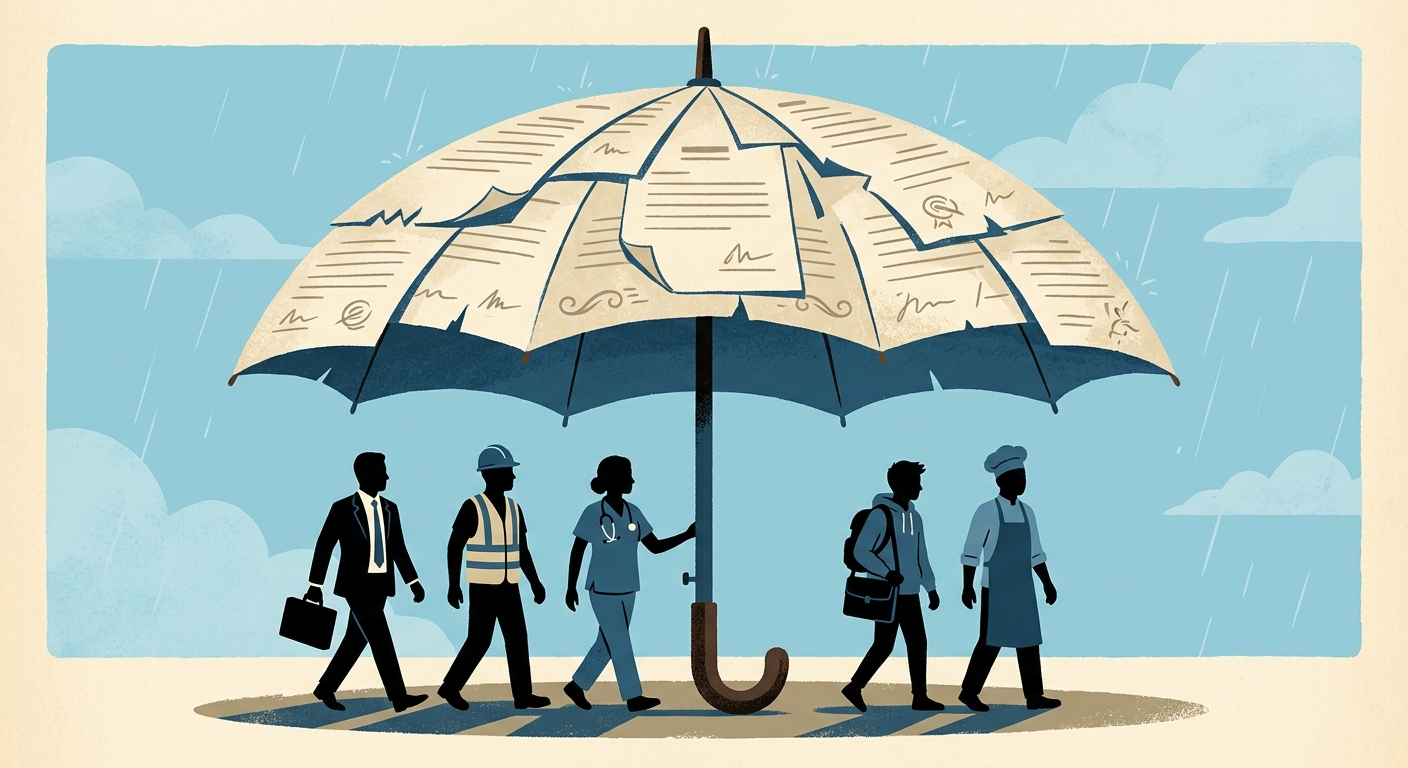
What both regimes have in common is who gets covered. Beyond regular employees, the protected list now explicitly includes contractors, freelancers, suppliers, interns, volunteers, shareholders, former workers, job applicants, and facilitators (colleagues or relatives who help the reporter and might catch retaliation by association). If you have any work-related connection to the organisation, you are very likely in scope. The country-by-country detail, including which EU members were fastest to transpose, lives in our whistleblower law across Europe reference. The directive's full text is on EUR-Lex; the US programme's homepage is at the SEC Office of the Whistleblower.
Reasonable belief, not perfect proof
The single most damaging piece of advice circulating about whistleblowing is that you must be able to prove the wrongdoing before you raise it. You do not. The standard adopted across the EU directive and most other modern regimes is reasonable grounds to believe that the information you are reporting is true, and that it concerns a breach the law covers. A report made in good faith is protected even if your understanding of the facts later turns out to be wrong, as long as your belief was reasonable when you spoke up.
Two practical implications follow. Your motive does not strip your protection: the directive is explicit that the reporter's reasons, even if mixed with self-interest, do not affect whether retaliation against them is unlawful. And the line that does matter is the one between a fact-based concern and a rumour. "I saw the invoice" is reasonable belief; "people are saying" is not. You do not need a courtroom-ready dossier on day one. You need to be honest with yourself about what you actually witnessed, and to record it before memory blurs it.
When silence becomes the bigger risk
The cost of staying quiet is rising. John Barnett, the Boeing quality manager who raised safety alarms about the 787 Dreamliner, was found dead in March 2024 during a deposition in his retaliation case; Reuters covered the case in detail. Even with strong legal frameworks in place, the personal pressure on people who speak up remains intense. On the other side of the ledger, organisations now face real consequences for ignoring or punishing reports: the same regimes that broaden who counts also impose significant penalties on employers who fail to set up confidential channels or who retaliate.
If the three checks fit and what you saw is the kind of breach the law on whistleblower protection lists, then yes, you are almost certainly a whistleblower, and you have far more cover than the typical worker assumes. Recognising yourself as one is the easier step. Choosing the right channel and the right moment is the part that takes more thought.