SEC Sets New Record with $279 Million Whistleblower Award
On 5 May 2023 the U.S. Securities and Exchange Commission announced its largest-ever payout to a tipster. The number was $279 million, more than double the previous record of $114 million set in 2020, and large enough that the announcement surfaced first as a press release with no defendant, no industry, and no facts attached, just a payout and a reminder that the program existed. The official answer to which case it concerned is still that the SEC cannot say. The unofficial answer that emerged within weeks was Ericsson, the Swedish telecom, and a bribery operation that ran across three continents.
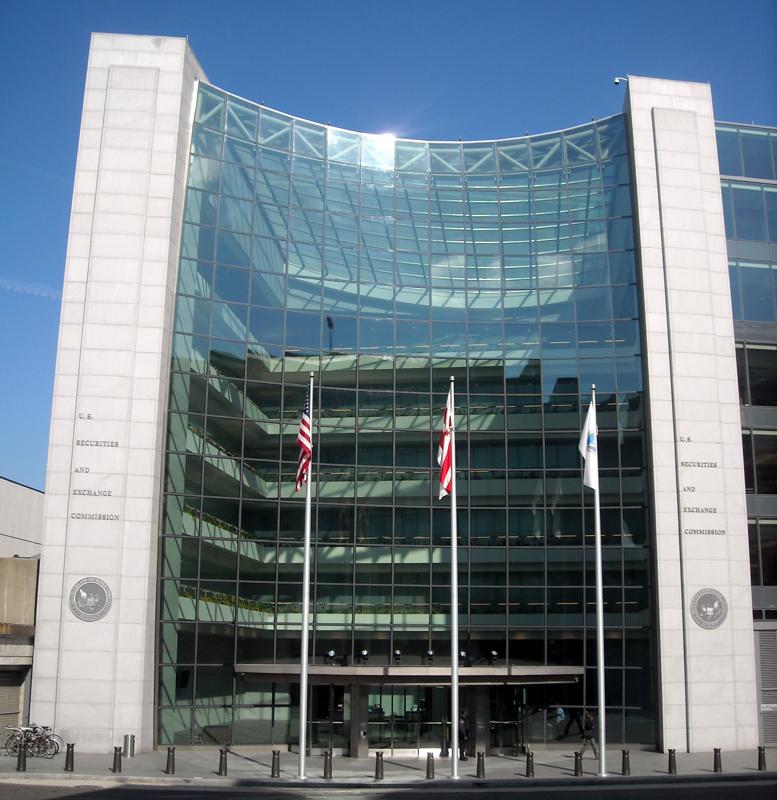
SEC headquarters at 100 F Street NE, Washington, D.C.
© AgnosticPreachersKid (CC BY-SA 3.0)
How the SEC's incentive program is built
The SEC whistleblower program was set up by the Dodd-Frank Wall Street Reform and Consumer Protection Act in 2010, in the months after the financial crisis exposed how much fraud had been visible inside firms long before any regulator saw it. The mechanics are blunt. If a tipster gives the SEC original information that leads to a successful enforcement action with monetary sanctions over $1 million, the SEC pays them between 10% and 30% of what it collects, plus a share of recoveries by other agencies that piggyback on the same tip. The money does not come from taxpayers. It comes out of an Investor Protection Fund that Congress filled by carving off a portion of the sanctions paid by violators themselves; the fund's balance sat near $319 million at the close of fiscal 2025. Eligibility for an award is set by statute, not by who happens to be running the agency.
Tracing the case back to Ericsson
The SEC's silence about the underlying case was deliberate, but it was not airtight. Within three weeks of the announcement, Wall Street Journal reporters had matched the timing of the award to a single closed enforcement matter that fit the size: Ericsson's settlement of charges under the Foreign Corrupt Practices Act. The company had paid roughly $1.06 billion in December 2019 to resolve criminal and civil cases brought jointly by the SEC and the Department of Justice. The conduct charged was bribery on an industrial scale, conducted between 2000 and 2016 in Djibouti, China, Vietnam, Indonesia and Kuwait.

Ericsson headquarters in Kista, north of Stockholm.
© Holger Ellgaard (CC BY-SA 3.0)
What the filings described, in plain language, was a sales operation that ran on payoffs. Ericsson admitted to bribing government officials, falsifying its books and records, and failing to maintain reasonable internal accounting controls. The bribes moved through sham consulting contracts and false invoices paid out of the company's own accounts. The award size suggested the tipster's information had unlocked a substantial fraction of the recovery. Under the program's 10 to 30 percent band, $279 million implies a base of roughly $930 million to $2.8 billion in sanctions and connected recoveries that the SEC could trace back, at least in part, to what the whistleblower handed over.
From the 2019 settlement to the 2023 plea
The 2019 deal was a deferred prosecution agreement, the kind of resolution that lets a company avoid a criminal conviction so long as it complies with strict reporting and remediation obligations for a fixed term. Ericsson did not comply. In February 2022 the International Consortium of Investigative Journalists, working with 30 media partners across 22 countries, published the 'Ericsson List' investigation: a leak of internal documents pointing to corrupt payments in roughly 15 countries, well beyond the five named in the original settlement. The most striking pages concerned Iraq. The reporting alleged that Ericsson had spent tens of millions of dollars between 2011 and 2019 to keep its network running through territory controlled by the Islamic State, including payments to smuggle equipment along a route the company internally referred to as 'the Speedway', and possibly payoffs that ended up in ISIS hands.
DOJ prosecutors took the position that Ericsson had withheld key facts about its Iraq operations and about the Djibouti and China conduct it had previously admitted, and that the company finished disclosing the Iraq evidence only after it learned ICIJ was about to publish. In March 2023 Ericsson pleaded guilty to the original FCPA counts that the 2019 DPA had deferred, paid an additional $206 million penalty, and lost the 15% cooperation credit it had been given the first time around. Two months later the SEC announced the $279 million payout. The two events were not formally linked in any public document. Their proximity is the closest thing to a confirmation the agency has ever offered.
Why anonymity is structural, not a glitch
The reason the SEC will not name the case is not bureaucratic caution. The Dodd-Frank Act includes a statutory confidentiality provision that prohibits the SEC from disclosing any information that could reasonably be expected to identify a whistleblower. A tipster represented by counsel can submit information without ever revealing their name to the staff working the matter; in many cases the SEC learns the tipster's identity for the first time when it issues the award. The agency redacts case details from award orders precisely because matching the timing and the size of an award to a known enforcement action, as the WSJ did with Ericsson, is the most reliable way to expose a tipster by inference.
The same statute is enforced from the other direction by Rule 21F-17, which makes it unlawful for any person, including a former employer, to take any action that impedes a possible report to the SEC. Confidentiality clauses in severance agreements, NDAs that purport to ban contact with regulators, in-house policies that route every concern through internal compliance: all of those have been found to violate the rule. The SEC brought more than two dozen impediment cases in the decade after the rule took effect, against employers ranging from financial firms to hedge-fund managers and large public companies.
The post-2023 plunge
In the fiscal year that contained the $279 million payout, the program had its largest dollar year on record: roughly $600 million awarded to 68 individual whistleblowers. The next year, fiscal 2024, the SEC paid $255 million to 47 individuals; the largest single award was just under $100 million. The third-highest annual total in program history, in other words, came in the year right after the all-time record. Then the trend snapped.
Fiscal 2025 closed at $59.7 million paid to 48 whistleblowers across 31 covered actions, the lowest dollar total in years. The largest single award fell to $12 million. The SEC issued 123 orders denying claims, a record for the program, and its grant rate dropped from 29.7% the year before to 17.8%. The pipeline of incoming tips, by contrast, did not weaken. The agency took in roughly 27,000 tips in fiscal 2025, up about 8% from the prior year, with manipulation, offering fraud and corporate disclosures making up most of the volume and crypto-related complaints holding around 7%. The program's annual numbers point in two directions at once: more people are reporting, fewer are being paid.
What changed under Paul Atkins
What changed was the leadership at the top. Gary Gensler resigned as SEC Chair in January 2025. Paul Atkins, a former SEC Commissioner who founded the consultancy Patomak Global Partners after leaving the Commission in 2008, was nominated by President Trump on 20 January, confirmed by the Senate on 9 April, and sworn in on 21 April 2025. Atkins is on record opposing the program from the start. In Senate testimony in 2011, the year the program took its first tip, he called it 'perverse incentives' that pushed employees to bypass internal compliance and report straight to the SEC for the money.
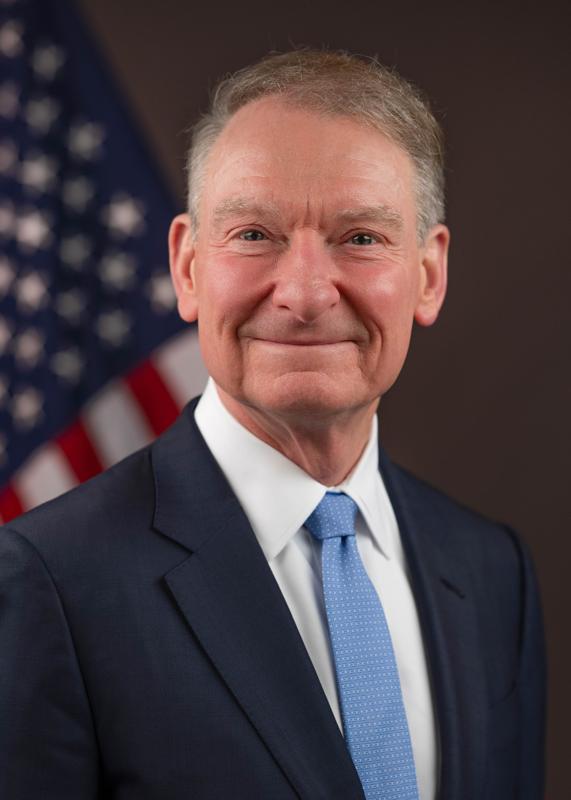
SEC Chairman Paul S. Atkins, official portrait.
© U.S. Securities and Exchange Commission (public domain)
The post-Atkins numbers fit the position. From his swearing-in through the end of fiscal 2025, the grant rate on whistleblower applications was 13.3%. The SEC brought zero new enforcement actions for whistleblower impediment, where the previous full year had logged 11. Headcount across the agency dropped by 17%, with field offices consolidating and enforcement focus narrowing to traditional retail-investor cases. The first quarter of fiscal 2026 closed without the SEC paying a single dollar to a whistleblower, the longest payment drought in the program's history. Total enforcement actions across the SEC fell roughly 30% against public companies year over year, and a large share of the pending crypto enforcement matters were paused or dropped outright.
The $279 million record still stands. The Dodd-Frank statute that created the program, and the confidentiality rules that protect the people who use it, also still stand. What is in flux is the gap between the rules on paper and the calculus a would-be tipster runs through before picking up the phone. The Ericsson informant did the math when the program was at its peak. Anyone weighing the same call against a falling award count, a record number of denials, and a chair who once described the whole arrangement as a perverse incentive is doing a different sum.

Data security consultant focused on protecting confidential information. Writes on crypto-fraud cases, whistleblower awards, and choosing secure channels.